

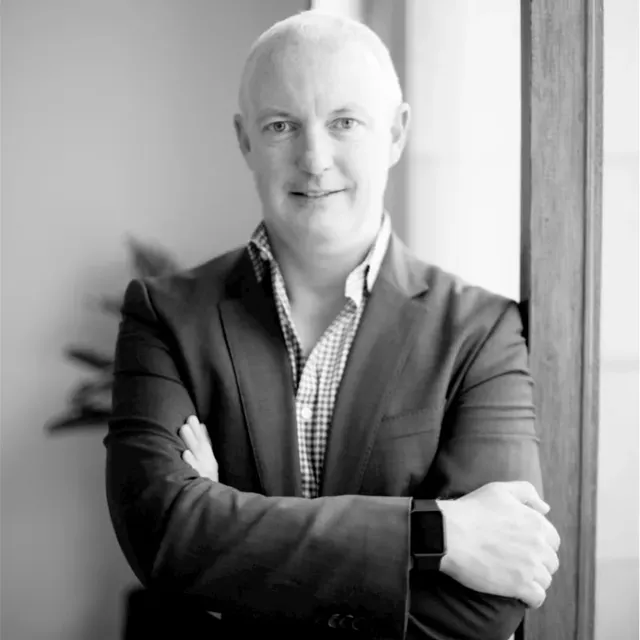
Episode 7: Stephen Duggan

Episode Description
Stephen Duggan’s latest astonishingly successful venture literally turns poop into profit. Stephen has consistently applied his focus on mindset and marketing messaging to all of his ventures, resulting in remarkable success across multiple businesses. Find out he has used those two fundamentals plus his passion and altruism to help house people and farm food, free of chemicals. Stephen talks about his captivating business journey and how he has dealt with the challenges he has faced.
To listen to the Podcast click on one of the icons to use your favourite podcast app.




Episode Transcript
You are listening to the cactus project with your host, Mel McDonald.
Hi, this is Melanie and welcome to our next episode. Today’s interviewee Steven Duggan is a really interesting character. I first spoke to Steven. It must figure three years ago where my little business adventure had gone bad and he got in touch and said, been there, know what it’s like? Here’s my suggestions.
Here’s my advice. And it was really, really helpful. Couple of our interviewees in this serious. Are people who are met in similar circumstances. Now Steven’s story, he will tell you, but very interesting things happen, which he will touch on in this. Um, and now he’s doing something entirely different and again, really successful.
He’s the kind of person that, um, bounces back that’s for sure. And the things that he does again, become really successful, but that bouncing bag has come with quite a lot of introspection and self-analysis and some pretty difficult dark times as well before he got to that point. So he’s a really interesting story and I really hope you enjoy this one.
He told me the story about how he had been running. I think it was 110 million company in Ireland, and then the global financial collapse happened and the company collapsed. Um, and he was pretty knocked around by that. And he and his wife decided to go off to Africa and travel around actually, just as an aside, he’s one of the minority of interviewee that I have talked to.
Who managed to stay married through this rollercoaster? So I think Stephen’s wife, sorry, I don’t know. Your name deserves a gold star as well for, um, for surviving through all of this. So they went off to Africa and I think he got quite a wake up call about his privileged life. And so he. Decided that he was going to do something completely different and build tiny houses for locals for about the price of a car.
So that safe, stylish housing was available to people. Um, he did a whole lot of other personal development things at the time too, as he was working his way through this, this transformation, I guess I’d call it. And, um, and he’s got some pretty interesting tales to tell about where that business ended up.
Um, it did have a period of time of being extremely successful. Um, and then some interesting things happened. Um, he is very successful, again, doing something entirely different, which I will let him explain to you, but he is one of those people who has really learned how to manage himself and done a lot of work on a lot of introspection, a lot of analysis on himself to go, how do I be the best version of myself?
Um, so he’s really, really interesting person to talk to because he has had some highs and lows. Um, but what he. Does when he starts a business is quite interesting and quite, uh, how would we describe it? Um, it mind expanding, I guess he doesn’t think small and you’ll find that out when, when you hear from him, when you hear about what he’s doing, um, and if he can make a multimillion dollar business out of what he’s doing right now, I think he can make a multimillion dollar business out of anything.
So I hope you enjoy this interview. I think Steven is really inspiring and I think he has a lot of really good wisdom to share. So the last time I talked to you, I think you were doing some 20 million project and having a fight with Zimbabwe government or something like that, is that million contract, right?
What happened with that? It is the craziest story of all time. So what happened was, um, we basically, uh, we weren’t the only one, but Zimbabwe went on a national housing drive and. My chairman and, uh, business partner at the time. Um, he is a Zimbabwe, but very successful businessman. And he wanted to get into developing houses in not just SIM, but across Africa.
And, um, I was a subject matter expert. I had this, um, proprietary system of building houses with concrete, where we could build a house structure in the day. And it was very scalable. And I’m story short. He was in negotiations with a number of banks, but also the local pension fund to raise capital for this development.
And even it was before my time, they decided to do what’s called an offtake agreement where we would turnkey, developed the houses. They would buy them for a fixed price. We signed a contract and we were, we were flat out when we were producing, um, at the, at the stage it went, um, Para shaped eight houses a day, which sound like put in zoom when it’s really hard to get, you know, basic things like, um, ceiling boards and timber.
That’s a real achievement, you know? And, um, what happened was the government changed and mcg, um, went out and all his sort of alliances went out the window and then Mon and gab were, uh, came in and the, the new minister and it’s, it’s incredible. Right? So Harari where we were building the, um, constituency is, is called Caledonia and the new minister Petronelli came in and it was her.
It was her, um, consist, uh, constituency. Cause the pension fund reported to her as, as, as the minister. Right. And she basically, um, just shut down the contract and, and, and they tried to extort money from us and we wouldn’t bribe who wouldn’t do anything. So they just stopped performing on the contract, just completely stopped taking the houses.
Wouldn’t come to site. So long story short. After about four months of, you know, extreme lobbying from us, we, we terminated our contract based. Ondi cooked, false criminal complaint against and Adam. And so this is because they had stopped the contract to try and get some money outta new. Cause you didn’t play the game.
Yeah. And it’s a very African top topic, like few charges and, you know, put the guys in jail for some cooked up stuff. So we literally had to flee the country. Uh, you know, I mean, it was like something, a movie. Uh, I got the call at about 10 in the morning to say the police were on their way to arrest me.
And we just fled. We just like, got to the airport, checked in, you’re looking around thinking, am I gonna be arrested at any time? Got on the plane, got outta there. And I haven’t been back to zoom since. And can you go back? No, no, no. There’s an open. I mean, it was, it was thrown at a court. They tried to bring it to court eight times they couldn’t even raise a docket cause it was complete nonsense.
And then we took them to arbitration and we won 32 million. Uh, we, then they appealed it to the high court. We won, uh, 32 million again in the high court. Then they’ve appealed it to the Supreme court. Now the Supreme court in frankly is very corrupt. Right. And the Supreme court sent back to the high court on a technicality and it’s just.
It’s just winding its way through the legal system there you, wow. Wow. Yeah. So was your family there with you? Were you, did you, so you didn’t to them up and get them or anything? No, thank God. No. I mean, they were based in South Africa time. I used to commute and then I came back and we, Adam changed his strategy, you know, long story short, he, he has a number of businesses and he decided to centralize services and being bang BOSH.
And I was just, I was just a wheel in the cog then as opposed to what it was at the start, which just was a business partner. So I found that this, uh, organic fertilizer business Goan boost and, um, I mean, at the start, it was a. It was a small gig and in two and a half years, I mean, it’s grown into a major, major, major, major operation.
I mean, we’ve got about three and a half thousand commercial, uh, farmers use our products throughout South Africa. So wanna talk, wanna talk to you a couple of years ago you were identifying people who had businesses that they’d already set up and then you were coming in as kind of mentor shareholder.
Was that, was this one of those, or did you start this one from scratch? No, I started this one from scratch. Um, I’ve invested in a couple of companies like that and helped them grow. But, uh, this one I did from scratch with, with, um, some other business partners. Um, there’s three of us full time in the business now.
I’m well, I’m I’m I was CEO our chairman, but I dropped down to CEO, uh, about two months ago and I, I run the company now on a day to day basis. Cause it’s, it just got so big so quickly. Um, my business partner was. CEO. And we just had, we had a chat one day and he said, look, you’re way more suited to be CEO than me.
You’ve got a lot more experience. You’re much better, uh, at certain aspects of being a leader than I am, and he’s very techy. So he now runs our online business and that’s, that’s quite a serious business as well. And, um, Yeah, it’s incredible. It’s it’s growing exponentially, you know? And what was it that made you wake up one day and go, I’m gonna get bird poop and turn it into a business that was three and a half thousand customers.
Like, how did that happen? So Theo, um, you know, he’d been a fertilizer salesman. He’d been in this industry and he was a professional hunter. He used to do guides and, you know, his mindset was at a certain level, you know? Right. And I mean, when we started this company, I mean, in Theo’s mind, if we sold 20,000 liters a month of this product, it, so it’s a liquid fertilizer.
We were gonna shoot the, you know, and what sort of revenue would that have been like 20,000 month? Oh, would’ve been like about 25,000 a month, you know? Right. Yeah. And, uh, basically, um, He was, he was very uncoachable because I was thinking 15, 20 times bigger than that, you know, and he just couldn’t go there in his head.
Like, so you you’d, you’d say this is what you need to do from a marketing, from a sales point of view. And his paradigms, uh, were so limited in that regard. And he’ll, he’ll, he’ll admit that, that any kind of advice, ah, that won’t work, that won’t work. I’ll give you an example. Okay. So, um, what we’ve managed to do in Goana boost is make the customer, the hero of the story, not Goana boost.
So like we’ve got a bit of following 75,000 people on Facebook, which we’ve built in about 18 months. And I mean, some of our posts get like. Three 4,000 BLS, because we always put the farmer front and central, make them the hero and just basically explain their story, how they had this challenge of using chemical fertilizers.
And they took the brave decision to move to organic and they got this incredible results and it just so happened. Go boosts part of that, right? Clever. Yeah. And he’s like, that will never work. Farmers will never do ever, ever work, you know? And I said, well, we wanna do it. Like that’s the bottom line. And that started to drive.
The marketing, which created. So the way that our marketing works is I call it, we ethically agitate our customers and all the businesses I’m in so that they, you know, some, some people will see a post and like our product is amazing, right? So they used to fight wars over Guana. And then what happened is chemical fertilizers just became way cheaper.
You know, mm-hmm, was a raw, materialist is really expensive because it’s finite, there’s only a certain amount of it in the world. Yeah. What we’ve invented is a proprietary way. We take it and we stretch it by, um, putting it in huge, big VAs. And then what we do is we agitated and fermented and the water becomes saturated in the guano.
And then like a ton of Guana can produce exponentially, more liquid fertilizer, you know? Mm. And, um, Basically, you know, the marketing message. Um, what happens is somebody might see a post one time and go, I need to try this because it’s statistically proven by trials to give you a 95%, certain chance of a 20% increase in yield, which is phenomenal for a farmer.
Yeah. Statistical probability. So some guys will purchase after one post, some guys need to see a hundred posts and then eventually we go, I need to get this. I need to try it. And what’s driven. The success of our company is those farmers who’ve made that decision. And then their neighbors look over the fence and they see a result and then they try it and then their neighbor tries it.
I mean, it’s just, it’s we do a thousand percent last year. This year’s probably likely to be 200%, but from a bigger base, you know? Yeah. And so what, what sort of turnover are you doing now? Do you mind. Uh, I’d rather not say that’s fine. That’s fine. But substantial. Yeah. That’s so it’s millions of dollars from a start of when did you start?
How long ago? May, 2019. Wow. So just over two years, two and a half years. Yeah, that is amazing. Can you tell us a bit about your, your background and, and what you originally were doing businesswise before you went into the, um, the P manure business? So I grew up in Ireland in a rural village Ireland. Um, that’s to a Seaport called Ross and my dad was a woodwork and technical drawing teacher and an incredibly.
Conservative guide and, and right from the day that I was literally mean a young kid, I would, I would say to my dad, like, I’m gonna, I’m gonna be a businessman, you know? And he like, no, you can, you, where are you getting these ideas from? And I remember used, say to him, I I’m gonna have a red nine 11 that Jesus to you think he’s, you know, and eventually I bought a bloody red nine 11 by the time I was two.
And so what was it, do you think, I know this is like before, what was it about you as a kid that made you wanna do that? Do you know a very successful businessman Ireland’s successfuls millions and, uh, your uncles, did you say? Yeah, I just always thought it was such a, such a cool thing to, um, create to, to, to, to have a business that employed people that created value even back then.
I thought that was cool. And I used to say. And still is like ridiculously, I mean, like I’m wealthy, I’m successful. And I just bought myself a new Porsche band GTS, you know, and I was on the phone, my dad and said like, oh, how’s it going, dad, anything new? Yeah. I got a new, you bought a PORs. Oh, still horrified at you spending your money on P stuff.
but it’s, that’s, funny’s funny. It’s where come beliefs and behaviors against all these years, you know, and I telling myself, right, I’m I’m gonna go for it. I’m not gonna play it safe. And I really am gonna have a go, you know, and, but because the paradigms are so strong. Right. I remember I, um, I wanted to set up my own business immediately when I left college and it was just.
He was almost beaten outta me the idea. So I rolled outta college and I was telling someone this yesterday and. At that time in Ireland, um, there was no jobs, it was 1996. It was nothing going right. And I got a job in England. Believe it or not as a technical recruitment consultant. And I was useless at it.
I mean, I was literally useless cause I can’t remember names or faces. Right. It wouldn’t help. Hey, a recruit consultant, people ring you and they tell you their life story and then you go, okay. Okay. And then they ring you a couple of days later and you go, Hey Steve, it’s Melanie. And you’re like Melanie who who’s Melanie again.
am I supposed to remember you? yeah, probably, probably not the characteristics that would make you well suited to that position. Yeah. Yeah. So anyway, I, I went to Ray SS, Lord rest stand now. And I said, Ray, I’m not good at this, but I had gone to Germany throughout my college to work as a carpenter to earn money, to pay for college.
And um, so you had trained as a carpenter originally. Not really trained. My dad had a join at the back of the house and I used to work in it all, all through my childhood. So I could, I could get by as a shuttering carpenter, barely, you know? Yeah. Nothing with finesse. And, um, I said to Ray, look, I’m not cut out for this, but maybe I can set up a business in Germany doing labor brokerage.
And literally the next day I drove to Germany and a year later I had 200 guys working for me all throughout Germany, uh, dry lining bricking. And that’s when I realized I can sell, I can really sell, you know? Yeah. And, uh, I ran that business for a couple years. Germany was in a horrible, horrible recession, and I just had enough of not being paid and it was really hard.
So I went back to Ireland and then I studied law and specialized in that area for a while. But what I started then was developing property on the side and the side gig became quite big, to be honest, I had quite a large property portfolio. And then I joined a company, mine and construction. And I remember Billy an amazing guy and, and an amazing builder.
And I remember him saying to me, like we were doing 12 and a half million Euro at the time. We, you know, we really want to go for it, but we need somebody to help us show us the way. And I said to him, well, Billy, I can definitely do that. And it was a wild ride. Like we grew from 12 and a half million to 55 million over, over a three and a half year period.
Wow. You’re pretty good at growing pig. Aren’t you? . Yeah. And it was, and it was really interesting right back then. I didn’t know anything. I, I was, I was what Bob Proctor called unconscious, unconscious. I was doing the right things without having any idea what I was doing and I’ll explain later what the right things are in.
And I remember saying to Billy, one day, Billy thought I was mad. He probably still thinks I’m completely cracked because he’s a very nice conservative Irish guy. You know, I remember saying Billy, when I was a kid growing up, right. I was really scared of Dracula and he’s like, okay. And I said, I used to have to go and collect cold from the back of the house.
And I stand there and it’s pissing rain cuz it’s Ireland. It’s dark. And eventually I, I think, oh, I hope I don’t get bit by Dr. Going now to get the cold. And I get the cold. I was about eight or nine. Right. Then I came back one day and I said, hang on a second. If everybody that gets bitten by a vampire becomes a Vare, all vampires at this where the story.
I said, and this is true, right? I said, Billy, we’re really good at building hotels. Right? And every time we build a hotel, we make a lot of money. We’re really good at building nursing homes. And every time we build a nursing home, we make a lot of money. We’re really good at doing residential housing. Every time we do housing, like a lot of money, every time we do schools, we see our, we don’t see our boots, but we make no money.
Every time we do this type of work, we money. And I said, what I’m gonna do is I’m gonna. Identify all of the property developers that are doing hotels right now that are doing residential. And I’m just going to do hotels, residential and nursing homes, because we’re good at it. And we’ll make a lot of money and it’ll perpetuate itself will be known as the hotel guys, the nursing home guys.
And that’s what we did. And what I was doing unconsciously was shed homes, dream 100 strategy where, you know, I was targeting all it down. Pushing it down. Yeah. And that’s what grew the company. Yeah. And we were spectacularly profitable. So by narrowing down the stuff that you were doing, you actually grew bigger and made more money, which is so many people can’t get their heads around it.
And, and they, they just don’t, that’s where you get. And so do you think that’s what got you get rapid growth to 55 million? Was that. Narrowing the scope of what you did. And we, and, and most of that work came from a couple of clients who were just in that sector and they were just developing hotels and residential and nursing homes.
And we just, we became known as the go-to guys, you know, and we were really good at it. Like, I mean, we did some really, really good hotels and, um, yeah, it was, and, and that’s the one thing, and I’ve got lots of stories from my coaching that I do where I’ve had people like that have been doing everything.
And then I niche them down to one micro thing and they’re scared as hell when you do it. And they grow their business like five in the first year, you know, that’s funny. Yeah. That happens. So you were about to say that you were doing that and you were spectacular profitable. How old were you and what was life like and what were you doing then?
I was about 28 30 making, you know, You know, dollar terms, probably just from, you know, from my, from my job, five, 500, $600,000 a year. And I was investing all of that heavily in property. So I built up a, you know, multi multimillion dollar property portfolio. And then, then it really went for right before the crash, you know, the, the, the first and I was so overextended.
I mean, it was just, I went from being a multimillionaire on paper to owing millions, literally within the space for about a month. Yeah. So you didn’t just get into zero, you went down to a minus something. No, I was, I mean, negative equity. I mean, I’ll give you an example. Right? I had one property that I paid 380,000 Euro for and at the worst of it, it was valued at 120,000.
Wow. So this is in Ireland. So the property market dropped by. How much do you reckon? Cause, I mean, I think it’s an interesting topic to talk about now because I don’t know about where you are, but, um, I spent a few months in New Zealand this year, the property market there has gone up by 30% so far this year and 20 something percent last year.
Um, Australia’s pretty much done the same, like things have doubled in two or three years. Um, yeah. I mean, how, how much did it drop and what kinda more about that? I mean, it honestly, I mean, I think it dropped. You know, property prices generally went from like that 300 down to 100. So, you know, just massive drops all over the place.
And the industry just completely collapsed because again, what was happening is, um, a lot of people were buying property off plan and the bank would come in and say it was 300 grand property to go, okay, I’ll give you a 90% loan to value. So here’s your two 70 loan offer. So they would put their 30 grand in and you know, the bank still give you an umbrella when the sun is shining, take it away when it starts raining.
Yeah. And when the things started to wobble, They sent people in and revalued it a 200 and then gave people a 60% loan to value. So all of a sudden, like, you know, people had to come up with 160 grand close the sales, so they just, they just ran for the Hills and the whole industry just collapsed. Wow. I mean, construction output went from 22 billion to 7 billion in a year in Ireland.
Really? So what year was that? No, I think that was 2008, nine, that type of thing. So it was like the 2008 sort of drug financial crisis. Yeah. Yeah, yeah. Completely. Yeah. And so what happened to you? Well, what happened again, just at that point, right. I had been recruited, uh, headhunted, uh, to, there was another local rival, which caused great upset to billion.
I regretted actually, um, construction company, Ellen construction. There were quite a big company in our Irish terms were probably about a 200 million Euro group at that stage. And they hired me as MD and it was my first gig as MD. And I remember saying to the guys all the way through the recruitment process, cuz they had a construction business and a property development business.
And I said like the, the two are separated. Yeah. And they’re like, oh yeah, yeah, yeah. And these were two, like again, Irish guys that had kind come up to the ranks, you know, like from carpenters to own this group. And I don’t wanna sound unkind, but they had no clue. The, the real fundamental finances that had just ridden a massive wave.
And we’re very good builders. I came in and I basically, after six weeks in the helm said to them guys you’re bankrupt. You’re completely bankrupt because all of the construction companies, businesses about 80%, if it was for the development company. And there’s no way the development company could pay the construction company, the construction company had taken out all these loans to do the construction that got paid when the, the purchase and the sale went through from the development.
So. And this is another crazy story. So Mert, um, one of the owners said to me, you know, where there’s a lot of building going on is Dubai. And I said, okay, said, why don’t we go and have a look in Dubai? So I go over to Dubai and, and this is after you’d lost all your personal assets, like, oh yeah, IAR again, where, you know, haven’t fund 60, 70,000 a month to keep this bloody property portfolio full, you know?
Yeah. And trying to unwind it as best I could. So I go over to the middle east and I, I, and I basically come back and I, I, I say to, um, Dubai is, is, is very, very overheated, I think. But Abu Dhabi is the place to go. So put a business plan together. And they were supposed to come up with a certain amount of investment, which they assured me they would invest.
And off, I went, um, to Abu Dhabi. And I remember again, being unconscious, unconscious, right. Thinking, hell, am I gonna do this? Like, I don’t, I didn’t know anybody. I flew to Abu Dhabi. I remember staying in the beach hotel in Abu Dhabi. Right. And then I, I got out to pages cuz it’s super expensive. It was like $350 a night.
Right. And I, I, I hired a room, um, in a, in a flat, in the, in the Cornish Abu Dhabi from a guy who had sub led his apartments. And I remember sitting on the bed going, do I do like, how do I sell up a business? I don’t know anybody. And you nobody, nothing either by yourself, employees. No, no nothing. No. I hired two guys and they helped me with all the running around again.
Right. I just kind myself, what I kind since from, um, what’s the guy who did the one thing, Gary Keller, you know, that, that focusing question and, and that when we were flying over, right, everybody, the old plane was full of construction Oaks over there and, and everyone was telling me, oh, I’ve hooked up with the shake sun and the shakes cousin and the shake.
And they’re gonna gimme all this work. Right. And I mean, logically, I thought, well, shake is a billionaire. Like why is he gonna give a rat to ask about some, you know, provincial construction company from Ireland to come in that might build a few hotels here. So asked aspect of the question, like who would actually need the skillset that we have.
And I think by, by asking myself that question, that led me to a certain con you sort of line of thinking and long story short, I joined ventured with a, a civil engineering company there called discovery LLC. And the owner was a seek Indian, um, Golder, uh, and, um, he was trying to get into main contracting.
So he’d all the plant, all the equipment, all the resources, but he didn’t have the, the reputation and the skill. And we did a joint venture. Right. And we won 68 million of work in four months. How much? 68 million in four months. Yeah. Again, the same thing, super focused. We want two Terra blocks in Mohamed bin, city of police station and Terry regional headquarters for a logistics company.
And it was just by asking that kind of focusing question, like, who needs my skill? Where do I really invest my time? And. Unfortunately that that didn’t go anywhere because the guys in Ireland didn’t make their investment. And in the middle east, if you bounce checks, you go to jail. And, and we started bouncing checks and the, and the other joint venture partner got really unhappy, as you can imagine.
And I’d had enough at that stage. I’d been really messed around by these guys. And I moved on, um, to a business called Hamilton and did the same thing. Again, we, we grew Hamilton from 40 million to 200 million D in three years by nicheing down nicheing down. So Hamilton was a very large interior fit out business, and it had a design studio.
It had, uh, construction, division, mechanical, electrical division, HVAC division, um, join. And if we didn’t get a very specific type of job, you might have a lot of drywall work, but no, um, work for the design team. Right. And. Again, without really understanding what I was doing. I, um, I said, whoa, whoa. And we had eight sales guys in the team because interior fit out.
You blitzing through work like that. I mean, you come in, you fit out a whole restaurant in a week and you’re gone again, you know? So you have to keep on adding customers to the, to the pipeline all the time. And I mean, the guys, the only way I can describe was like headless chickens, you know, they, they they’d come in.
And I remember the classic one is marijuana, marijuana driven down to, um, charity, which is like 200 kilometers away to meet a guy about the refurbishment of a lift. And I mean, we were a multi, multi multimillion dollar business. I was like, fuck is going on with these guys. And I, I just sat back and I said, what type of job feeds the entire value?
And, and again, we noticed hotels, corporate offices and, um, What was the other one? I can’t, um, yeah, it was hotels and corporate offices was, and then we only did that. And again, by focusing, we grew from 40 to 200 million D and became the go two guys for, for office fit out in particular, in Dubai, in Abu Dhabi.
So, like you said, it takes a bit of courage though, to focus down like that. Were you, did you have to persuade people to do that or were you able to just make that decision yourself? No. No. It was a massive, um, it was a mixture of persuasion and just like brute force, you know, I mean, guys would come with a job and I would just, I would describe them like a Labrador with a stick in its mouth kind of coming, oh, I’ve gotta stick.
Oh, come play with me. And I’m like, no, we’re not touching it. We’re not looking at it. And you know, the guys relied on commission. So after a couple of months, Are you, you rejecting their sales? Yeah, they would hit, yeah. They started to buy into it. And, uh, so after about four or five months, we got discipline.
And then what happens is your supply chain gets very predictable, so you can get good deals. You’re doing a lot of business with certain types and your supply chain also starts giving you a lot of leads because you get guys that are in hotels and they’re doing the FFF and E and the O and E they start recommending Hamilton because they know they’ve got a good chance of getting the, so the whole thing just starts to self perpetuate.
You get very good at it because the guys are doing the same type of work over and over your supply chain start supporting you pricewise and they start bringing your leads. And yeah, it’s, it’s, it’s counterintuitive niche down niche, niche, niche down, but it works every. That’s interesting. So we were talking before we started in this interview about how, you know, mountains and valleys and how you kind of do really well.
And then there’s a, then there’s the valley. So, so far it sounds like pretty much mountains with just a small dip in Ireland. Like, were there some difficult times amongst all of this as well? No, there were, yeah. I mean, for me, you know, my identity and probably, well, not as much now, but at that stage was very linked to I’m.
I was kind the high flyer, you know, and my friends in my circle and, and it was relative to where I was at. I mean, I wasn’t that like, you know, always used to look me how well these gentle, when, when, when, when that stopped, it was like, I lost my mojo for a while. And it’s something that I’ve spent inordinate amount of time, and I’d like to share some of the stuff that I’ve done.
Yeah. I’d like to know something more about that, if you would. Yeah. That’ll be helpful to people. And I mean, it affected me in real ways. I ended up with adrenal fatigue and chronic fatigue, and I got very unwell for a while and I had to just at a certain point come to peace with the fact that it. You know, it was gone.
I had lost a lot of that wealth and it was what it was. And I had to, I had to start again, but for about two or three years, I just felt stuck. You know, that anything I tried didn’t work. So I tried internet marketing. I tried this, I tried that. And I, I was, I was in such a state of scarcity in such a state of fear that, you know, nothing was working for me.
And, um, I remember I went on a, um, mastermind to the us, um, and, uh, I, I was there and there was a lady Jen Kumo. She’s actually based in, um, about 200 K outside Sydney, you know, and she’s a business kinesiologist, a business kinesiologist. That’s an interesting mixture. Yeah. I didn’t know anything. I didn’t even know what kinesiology was.
Right. And, um, she started to, um, give me a reading. And I mean the accuracy of the reading just by kind of touching certain points, I was like, this is crazy, you know? And I went to, and I didn’t think about it. And then I set up this business in zoom and we, you know, we had our, our, our, our, our challenges there that I explained earlier, you know, zoom beings in bad way for the non local.
Yeah. Yeah. Sorry, million dollar project that went completely para shaped cause of a corrupt government. And, you know, I remember at that stage thinking, is there some sort of voodoo on me, even though to be fair at that stage, I had started coaching widely and people that were following my system were having exponential success, but ironically, like a lot of coaches I still felt stuck.
Does that make sense? Yes. And actually one of our other interviews, I think it was our second one in this series that he was business coaching and getting amazing results for the clients at the same time as everything they tried was turning to dust themselves. And yeah. Yeah. So, so that’s kind of where you were at, like things were working for your clients, but you couldn’t make things wait for yourself.
Was that a fair. I had invested everything, you know, with, you know, sort of emotion in EnergyWise this mega project and this system of construction, where we were building houses in a day with this concrete proprietary system. And my vision at that stage was to take it all across Africa and then, you know, through no fault of ours to be Frank about it, that the project minutes demise through corrupt politicians.
And it just went down the legal process and yeah, we won 30 million in the end. We haven’t got it yet. They haven’t paid of course, but, you know, um, we, we were, we were, um, vindicated and, uh, I remember, I remember literally asking myself a question at that stage. Is there some sort of voodoo on me? Like what the hell is going on?
Like everything, you know, through no fault of my own, the financial crisis. And yes, I’d made mistake support decisions, but you know, it was events outside my control. I was never reckless. So I remember this session that I’d had with Jen about four years before this master. And I went and I sourced a kinesiologist here in South Africa.
So that’s, this is about, probably about three years ago, you know? And, uh, she, so she did a lot of readings, right. And long story short, right. Through the whole process. And, and you don’t talk, your body tells based on certain reactions, what what’s happening. And then she goes off to these charts and she wasn’t a business kinesiologist.
She was just a, a very experienced, um, doctor and kinesiologist. And during one of the sessions, right. She said to me, oh, this is really weird. You know, your body is addicted to conflict and stress. I was like, and she, and it was like a light bulb went off. Right. Yeah. And the more I thought about it, the more I realized, like, if there was an ever opportunity where I could turn the other cheek or just let something pass, I wouldn’t do it.
Wouldn’t do it. You go boots and all in boots and all in. Yeah. And then you act four weeks later, you stagger outta this argument going, what was I doing? You know, and interest. What happened then was I went on this journey. So I started studying this and I came across a guy called Dr. Joe dispenser. I dunno if you’ve ever heard of him.
Yes, I have heard of him. Yeah. Yeah. Yeah. And I’m getting, share thinking about it now and basically, you know, the thoughts that you think every day become your reality. That’s the, the bottom line. Yeah. And we become extremely addicted to the chemicals of stress. You know, to the point where we get outta bed, right.
And I’m sure you’ll resonate with this. Right. And things are going bad. Like by the time you’ve got from the bed to the shower, you’ve had four arguments in your head and you’ve lined the ball of people that you’re gonna, you’re gonna sort out that day and the things that you’re gonna deal with, you know, so that by the time you come outta the shower, you’re already in an acute state of stress.
And, and when you’re in that state, you’re reacting, you’re not creating. So everything that you happens to you in, in the quantum, around you, you’re reacting to it. You’re sending out a signal of stress and you just attract more of it back to, to you, you know, another level. Yeah. At a practical level, it’s arguments that you have.
It’s decisions that you take. It’s, you’re constantly putting out into the quantum, this demand for stress and conflict, and guess what you get to get more stress and conflict. So. I, I, I really pardon. And how did, what, what did that do, like making, having that realization about yourself that you were kind of addicted to, you know, going into battle or whatever, um, what, what changed as a result of that?
Anything? Well, you know, it, wasn’t an overnight thing, you know, because I had literally become completely addicted to these, these chemicals and, and the more I study Joe spend and that led me onto Bob Proctor. Um, the more I started to realize that if I didn’t get out of that, that loop, I was never going to be successful because, um, When I was in that state, like I wasn’t creating, I wasn’t coming up with ideas.
I wasn’t executing on, on my vision or my plan. I was simply reacting to everything around me all day, every day. And I, I did a list of all of the things that I needed to exit. And one of them was the housing business because Adam had centralized a lot of the services taken a lot of decision making away from me as the CEO and co-founder of that business.
So procurement, centralized HR was centralized and it, and it just became a cluster to get anything done. Cause nothing worked, you know? Right. And. I was just stressed outta my head all day, every day with this. And I thought I’ll never create a business here. I, and you know, I had been, if I’m honest with you shackled by this thing with my dad, that, although I was an entrepreneur, I was creating, I had never gone out in business by myself, you know, because when you’re telling your story, you’ve always been part of somebody else’s thing, haven’t you and then grown it.
And you’ve, you’ve obviously been financially rewarded handsomely, but up to now in the story it’s yeah. And I was thinking that I was listening to you saying that, thinking that that is a positive thing, it’s like, wow, you have a really good ability to actually slot into someone else’s thing and make it successful.
Which some of us can’t do that. Um, well, uh, at points in my career, yes. And then other points have really, you know, ended up very frustrated and, and moved on. But eventually I’d said, I, I need to go outta my own. I mean, I’m, I’m. And, and that was a huge decision for me, way bigger than it should have been.
You know, it was like this mountainous cloud of my head and eventually said, cause you had made like most people when they say I need to start my own business, they’ve come from a salary and they’re gonna start something little, but you’d be making millions and millions of dollars in other people’s projects.
Hadn’t so going out on your own for you, wasn’t a financial need. It wasn’t like you needed to go on your own to, to, you know, make a good of money or something. Yeah, no, it wasn’t a traditional thing. Like I lost my job when there was chips, you know, back against wall. I mean, I had plenty of money when I went out to be honest.
Um, it was just paradigms. It was limiting beliefs, you know, and like that changed everything. I, I, I literally, you know, systematically eliminated all of the, kind of, as far as I could, those stressors that were, and I became very conscious about, you know, the first part of changing your, your behavior and your thoughts is conscious awareness.
You know this little, Ooh, let me not go there. Ooh, let me just kill that thought and hip bit. You start to shut down those neurological, you know, thought patterns of stress and feed into it less and less. Then I really got into Bob Proctor. And for anyone listening to this, Bob was a program called, uh, the science of getting rich.
You wanna get rich? Do that name? Yeah. Is it really good? Is it that’s lifechanging? Yeah, to be honest. Wow. And I’ve introduced a lot of that into, into my coaching. Um, so I still do a lot of business coaching. I mean, I coached eight businesses to seven figures last year and it’s, it’s more a hobby than a business, although I do get paid well Wellforce um, and.
You know, essentially what it is at the, it is to continuously put out into the quantum field, the results that you want. So doing daily goals, setting daily affirmations, giving gratitude, and the big paradigm shift of understanding this stuff for me was I used to write goals out like nobody’s business, you know?
So every day I’d have my goal book. I’d write it out like, and I’d say by this time, next year I will have by the I, and then what I learned through Bob and the way that the quantum field works and, and Jo benze goes into this at a scientific, at a quantum physics level when you basically send out a clear intention.
So when you have a thought at amids electronic frequency, okay. Mm-hmm , but that’s not enough that doesn’t do anything. The, the missing ingredient and all of this is gratitude. And if you approach a goal from a position of deep gratitude that it has already been achieved, it is an experience available for you at some point in the quantum, in the future.
And it’s achievement is inevitable. The only unknown is how long is it gonna take reframing, getting away the anxiety of, am I going to achieve that? And I’m being grateful that it’s been achieved. You’ve basically mentally moved into the, that sounds very woo. So it is, and you don’t strike me as a very woo person really originally.
And, and you know what, and it’s a really good question cause what Proctor and, and, and, and that was the big shift. So again, I, I got into this stuff about three years ago, you know, and for the first year, all I did is, you know, the way I, I describe a journey, right? You go from searching for knowledge to having.
Knowledge to having insight, you know, if you really stay at something and you know, I’ve, I’ve got an OCD personality. So if I get into something I, I really go into and I’ll read dozens of books and do loads of programs and obsess about it. And, um, for the first year I was like, what is this stuff? No, it doesn’t really, I don’t get it.
You know? And, um, then I watched the program with Bob and he’s like, you don’t question gravity, whether you like it or not, you are operating in a universe that functions, according to exact laws, trees, basically bloom at the same time every year, the tides move at the same time, gravity, all these things, it’s, we’re operating in a quarts of very strict laws and you can either operate it in courts with the laws and get results, or you can basically not do it and not get any results.
And some people you describe unconsciously conscious. They do the right things every day, without even understanding what they’re doing, or you can do the right things and the, the sequence. And, and really believe it. And he said, you don’t question gravity. You don’t have to understand this stuff. Just do it.
And he brought out this guy on stage, right? And this guy has won two Oscars, two golden Globes. He’s won Emmys. And the guy committee is really cool. He said, where were you when I met you? And he says, I was earning $250,000 a year. And I’d earned that every year for the previous 10 years. And that’s pretty much where I was at.
I was earning about $300,000 a year at the time. And I had been there like, like, so even in my down times, I was still making $300,000 a year that, so these were your bad years. these are my bad years. Yeah. I mean, in my part was such, I made $300,000. So I found a way to make it, even though I was unconscious about that, about that.
So your thermostat was set at 300,000 a year. Yeah. I couldn’t learn more, but I didn’t learn less. And you know, I wanted to learn a lot more, you know, and, um, basically the guy said to Bob, I was stuck. I I’d really everything. I tried, I couldn’t get beyond it. And Bob said, what did I tell you to do? And the guy said, do exactly what I do.
And Bob said, what did you do? And he said, I did exactly what you told me to do, which is the sequence that I told you. And I’ll, I’ll, I’ll explain it again in a sec. And he says, then what happened? I won two Oscar. I won two S I won two Goldens. I made 2 million last year.
This he, him it’s sequence. Um, you’ve, you’ve gotta, you’ve gotta get extremely specific about the goal that it is that you want to achieve. And, and there can, there, there needs to be a big goal and then little goals that lead you towards it. So let’s say if I wanna. 5 million in two years time. Well, I’ve got little intern things that I need to do.
I might need to launch a new product. I might need to enter a new marketplace with my current business, but so you have micro goals that lead and you write them out every day. And then for five minutes you read them, which I do every day. Like this little cards, I’m so happy and grateful now. And the, and the sequence is I’m so happy and grateful.
Now that name, the big result. And then you literally close your eyes and you feel the gratitude of that goal, you know, how you would feel having achieved it. And I just did it and then just. Every single, honestly, I’m not I’ve drawers full of these and every single world that I’ve set I’ve achieved. So what do your bloke, key construction industry colleagues and friends think about this approach to life?
Yeah, it’s very interesting. Right. Um, the more I’ve gone on this journey, the, the more kind of relationships have fizzled away, you know, cuz it is quite an extreme view to have on things, you know, but what’s really interesting. Right. So in, in the fertilizer business, I mean our, our sales team is essentially a bunch of white African or fertilizer guys.
And they’re about as UN woo woo. As you can get, I mean, fertilizer salesman, it doesn’t get any less. Woo, woo. You know, and they really dig it. You know, we do training and I go through this stuff and, and, and again, I’ve seen crazy transformations in their lives. I mean, we’ve like, you know, a good salary in South Africa will be.
$2,000. That’s, that’s, that’s a good, good income for most people, you know, a monthly income you’re talking about that monthly. Yeah, yeah, yeah. I mean, we’ve got guys making, you know, $10,000 selling our fertilizer commission only because, and they’ve gone from nothing to that, like in, in, in less than 18 months.
And I don’t think they follow us religiously, but they’ve taken bits of it, like obsessing about their goal and thinking about where they’re gonna be and being grateful for what they have and stuff like that. You know? So, which was the chicken and which was the egg, like, did you, did you figure this stuff out before you started the current successful business that you’re in?
Um, and, and that was the tool that got you to like multimillion dollar turnover in a couple of years? Or did you start the business and figure it out along the way? Like what’s, what was the sequence of these things? And when was the turning point for you question? Um, I have been teaching the technical side of what I do.
So marketing the strategy. I developed a. Strategic system called it the main road about this micro specialization. And, you know, you define the main road where you wanna be in five years and everything you do. And it’s, it’s quite a simple system, but it’s, and I have been teaching people how to do that strategy and how to do marketing and sales campaigns that, that gave them the, the exponential growth.
But I, myself was stuck, you know, until. Until I made that breakthrough. It only really came together for me personally. I mean, I’ve generated more wealth in the last two years than I did in the previous 20, you know? Right. And 100% because of this stuff. Yeah. That is great. Cause I had the skills, but I didn’t have the mindset.
And that’s, you know, the, you hear a lot of times about people that, you know, multimillionaires and they lose everything. They make it all again. And a couple of years after it and you have the skills, but the mindset is the hardest part. To to have, and if you lose it to get back, you know? Yeah. I think one of the things you said to me a couple of years ago that I’ve remembered was talking about when everything failed to pieces and you were, you know, in a pretty dark place you were, um, that you were talking about and you mentioned it earlier as well.
And I’d like to get a bit more of your thoughts on it. Now is this idea of your identity being tied up with your business success and, and the trappings of that success, you know, the Porsches and things like that. Where are you at now in terms of your thoughts on. Identity and how that affects people in business.
Um, I think, you know, personally, from my point of view, it’s become way less important for me. You know, you reach a point where, you know, you don’t care. What other people think about you anymore. You’re doing it for different reasons. Um, I don’t wanna sound like too, um, I dunno, what’s the word look, bottom line is I have a mantra, right?
And I’ll get to the kind of core of the question you can do. Great, good and make money at the same time. Right. So my mission now, personally is. Um, and I realized early on, right? I’m not hyper wealthy, but I’m wealthy, you know, and you can be wealthy and very unhappy. And it’s a very important thing for me, uh, to have a deep purpose behind what I do.
So the businesses that I’m involved in all have a deep, ethical, underlying, um, mission. So, you know, I’ve got an immigration law business where we help African entrepreneurs become successful by getting residency in South Africa, I’ve got a coaching business that helps business owners grow their businesses profitably.
I have a business that’s making organic fertilizer taking harm for toxins and chemicals out of the farming ecosystem. I have a farm that farms organic. Fruit and vegetables, because we want people to not have to eat toxic chemicals in their, in their daily lives. And, you know, these are businesses that drive my entrepreneurial, um, ambition now rather than what was at the start, you know, partly to demonstrate to everybody around me that I did it, I can do it.
I’m I’m successful. Yeah. So I found a different way of feeding into that entrepreneurial drive, you know, and I it’s, it’s sincere. I really do mean it, you know? So yeah. Your identity now is more about the making money and doing good rather than about being seen to be successful. That, that if you had advice for people, I guess in two places, one is a lot of people that are listened to this, uh, people whose businesses are in trouble right now.
So they were making money and their businesses fallen in a hole and they are trying to figure out what to do next. What, what advice would you give people when they’re in that. Right. Yeah. I mean, the number one thing is find a mentor, right. You know, you know, find a mentor, um, because businesses failed for different reasons.
So, you know, more often than not that I find is, you know, that, you know, that E if that Mike GBL thing that, you know, someone has started business, who’s a technician and they’re still doing technical work, and it’s just, it’s a constant mess around them. Other businesses have got marketing issues, you know, they’re just not generating new leads or the right type of customer.
Other businesses are generating leads, but not converging them. Or they have crappy clients and try and identify what the absolute problem that you have is. And then like that Tony Robbins quote, if you wanna be successful at something, just find the person person’s achieved, the success that you want and do exactly what they tell you to do, you know?
And, um, I’ve moved, like I’ve had dozens of mentors that I’ve never even met. Like, so, you know, Eight years ago, I was into like Russell Brunson and these internet marketing guys. And although I never really got into internet marketing, the skillset that I learned is super useful for Lee gen and my current businesses, you know, then I started studying guys like Frank Kern and grand Cardone and Jeffrey Gilmore, you know, really learning sales.
And that’s really helped me now. And then like, now I’m all about Jay Abraham, how to grow a business exponentially with, you know, levers of profit and Bing bang, BOSH. And I mean, I go all in on these guys for 2, 3, 4, 5 years, watch every program, watch all their material, read all the books and you know, that mentor can be virtual.
It can be a book, but a lot of people, you know, and Bob Proctor talks about this as well. You know, he said they read a book once and they think I’ve got this. And then we, the next thing I might read that book 20, 30 times until I, I really, really understand it and, and can implement it and go from that, looking for knowledge to knowledge, to deep insight that I can apply it.
And I think a lot of people, especially business owners, they, they become so stressed by the, the business that they’re running. They stop learning, they stop searching for the right answers to the problems that they have and they become stuck. You know? So in hindsight, when you were stuck, when you, you felt like all the things that you were trying to do, weren’t working, what do you think it was a mindset of faulty?
If that’s the right word? I dunno if that’s the right word, what was behind that? Well, you know, simply put, I was obsessing about my problems. OK. And if you obsessing, so your energy was focusing on the problems rather. I was reacting, not creating. So, you know, I’ll give you an example of two very different scenarios, right?
When you’re in a state of acute stress and you’re reacting to everything, you know, you get a bit of bed in the morning. Like I said, before you go to the shower, you thought of these six things you need to do. All of which are stressful. You get to the office, you know, people are coming at you, you react, react, act, put out fire, no value created at the end of the day, you’re stressed outta your head, you know?
And, um, no creation, you know? So now I’m very conscious of those thoughts, you know, as I drive to work, cause one of those comes into my stop it. I say, whoa, Let’s leave that now. And I mean, I’ll give you an example, right? Um, last, last June, we were, um, so the fertilizer industry, very cyclical and June is the winter here, you know, and we were having a really crap month.
Right. And I was down at an event in, in Durban, in K N and I was sitting in a meeting and I was, I wasn’t actually actively in the meeting was a presentation. I was thinking, how do I, how do I get things going? And I had this idea, let’s do a winter sale. So I walked out and I shot a Facebook live, right?
Hey, this is Stephen dun I’m co-founder of Guan being bang BOSH. And one idea generated hundreds of thousands of dollars of sales that week. Wow. And sort of just solved our cash flow issue. So I created, it was an idea. I used that idea to set up a marketing campaign and that marketing campaign triggered an avalanche of sales, which solved the problem, which is an intern cash flow.
So it’s always creation. That solves a problem, never reacting. And I guess when you’re in the D in the hardest bit, it’s really hard to create, isn’t it? Because that’s where you have to have that strength. So do you think with the skills that you’ve developed now and the, the lifting that you’ve learned about, you know, the focusing on the things you’re grateful for and out, um, do you think if you got yourself into a difficult business situation, now you would handle it differently to what you have in the past?
Definitely. Yeah. I mean, definitely. I mean, there’s always in businesses, ups and downs and challenges and, you know, um, yes. Is the short answer. Absolutely. Like, you know, having the skill set of. Managing your mindset of not feeding into stressful situations of, you know, managing the ability to step back and that’s through things like, and I’m not religious about it, but meditation is extremely effective because it stops those thought patterns for a period and allows you to.
Cool the brain down, if you like, you know, it really works, you know, and it’s interesting. I mean, I remember Tim Ferris, you know, when he was asked, like, what is the number one comment trait of all the successful people that he, um, has interviewed? And he said, meditation. Yeah. Mind meditation. Yeah. It is very interesting.
And everybody that I’ve interviewed for this series has talked about the mindset thing, whether it’s, um, prayer or meditation or mindset, that’s something that involves being connecting to where you wanna be, rather than just running around, you know, in a mad Flury of, of panic all the time here for you.
I’m sorry. You asked person to tell me. Yeah, it’s, it’s, it’s so hard to see the wood from the trees and, and that’s why a mentor is so important. It will drag you outta your current thinking, you know, and it doesn’t have to be, like I say, Somebody that you’re, you’re doing one on one with it’s like pick one guru and you know, the start of every year, I kind of asked myself, who’s my guru this year.
Like, who am I this year? It was Jay Abraham. And do you know Jay Abraham? Yes. Yes. I’ve seen him speak live in the us a few years ago. Yeah. Yeah. You know, pick, pick positions himself as an world’s number one business growth. And you know, you read his stuff, you watch his videos, you get an idea. And I mean, I’ll give you an example, right?
So he’s always on a. Leveraged joint ventures, you know, and we had a sales force of 44 guys in the, um, in the field and we were doing well, and those guys are good, you know, but 44 guys is still just 44 guys in South Africa is a big country. And, um, I was doing Jay’s program becoming unstuck. You know, now we weren’t stuck at the time.
I was just looking for growth strategies and he talks about leveraged joint ventures. So long story short, we negotiated a distribution arrangement with two of the biggest. Fertilizer distributors in the country, low felt and farmers agreeing went from 44 agents to 300 within a month. Wow. Wow. Yeah. Yeah, because that’s been one of the questions in my mind, you started this two years ago, two and a half years ago, you’re turning over significant.
Multimillions like, how do you even physically. They grow that fast. And that’s the sort thing that you do, I guess isn’t it. It’s it’s through those kind of like marketing, marketing. I, I always tell ’em when I coach business owners. Right. Make sure that what you’re doing is a leveraged activity, you know?
So that’s either you’re creating systems or procedures that the thing operates way, way more efficiently or you’re, you’re, you’re doing a market like that marketing campaign. I mentioned brought in hundreds, two thousands of dollars in a week. Um, that’s a massively like one video. Like we did a video YRN is my business partner did a video and it’s crazy.
Everyone thinks, oh, it has to be polished and look super nice. And it was him and his garden going. Yes. Let’s look at this guys. Wow. I planted this thing a couple of days ago cause he sent it to me. He was actually doing a video for his two business partners. Right. And he’s like, look at this, I planted this thing a couple of days when I put, look at it now.
And I said, I’m putting that up on Facebook. It’s been seen 6,000 times that video 6,000, that’s definitely a leverage activity. Isn’t it? one five video that he shot in the garden that had no production value to it at all sales, you know, growing a sales team, training your sales team, like leveraged activities, um, that have massive long term upside, you know?
Um, and again, that’s something that when, when I think business owners are chasing their. They’re just reacting, you know, they’re just firefighting. They’re not getting out of that environment. So, so what you are calling leveraged activities is what some people might call like working on the business sometimes too.
Isn’t it? Is it? Yeah, it’s the, don’t do the $10 an hour jobs do the stuff that’s actually gonna generate much more value than the time that you’re putting in to do it. Would that be a way of explaining it? Yeah. Yeah, absolutely. And it’s a really hard thing. Like when I coach, you know, um, inexperienced MDs, like one of the hardest things, when you, you, where do I apply my time and the natural tendency, because think about most people that end up.
Owning a business right there. They were really good accountants. So they opened up an accountancy practice or they’re really good lawyers and they opened up, I’ll tell you for example, about the law business. Right. And, uh, they love doing the work of being the lawyer. So they feel guilty if they’re not working, if they’re not actually lawyering.
Yeah. Yeah. Cause, cause you have a law business, didn’t you say before? Yeah. Yeah. We’ve talked about, we’ve grown a business. Like we started at, um, last August, 12 months, you know, and there’s. Uh, lawyers in the business now, and it’s growing like 20% month on month compound. What’s really interesting. I said to Christine, who’s a chartered article, master’s degree lawyer, you know, um, you’re not gonna do law work at all.
You’re not gonna do any legal work. You’re basically going to market and sell an onboard clients, you know? And, uh, she didn’t get it for the first while, you know, and I said, your job is to build a system production line, you know, a scalable production line of, um, how we do business around here. So that’s just traditionally lawyers, even the most senior lawyers still do billable hours.
Don’t they? That’s that’s the model. Yeah. Yeah. And I mean, she just basically, so we’ve got a very, um, simple funnel, but it’s very effective. Right. We put a very, very, very. Ethically, emotionally triggering posts about you need to sort out your, you know, your, your life, where you’re never gonna get these benefits.
So the post goes something like this, are you a struggling business owner, an essay? Cause you don’t have the right permit. Do you struggle to access finance and give tax breaks and employing people and being bang BOSH, but it doesn’t have to be like that. Get, just have a business visa. So when people reach out, they’re highly motivated to, and then what we do is we make, so your target market.
Migrants from other parts of Africa who are in South Africa, but can’t legally run a business, but I do kinda, yeah. OK. Interesting. And, and most of them are wealthy, but running their business, um, behind the scenes and are here illegally, you know, to not, but some of them so can actually help them get illegal business visa and straighten all that out for them.
Yeah, we do. Exactly. And then basically a world of life opens up to them. They can, you know, invest long term without fear. They can buy property and run their business and it’s life changing. And we’ve helped about 44 business owners like that, that have invested well over 10 million into this. Country once that opportunity’s been unlocked to them and created hundreds of jobs.
Yeah, it is cool. Um, so where you from here? What are you gonna do next? Where are you going with your business in life? So the big vision for me is to help build an organic, uh, food chain industry in South Africa. Um, that’s, that’s, that’s where I want to take this now. I mean, we in South Africa, Irish have been here for eight years, you know, um, there’s no organic value chain because farmers don’t produce it because there’s not an offtake, um, that will pay a premium for the product.
So it’s more expensive to, to farm organically. And, um, we have a very unique business model, you know, because of Gowanus being organic, we’ve developed thousands and thousands of customers. Who want organic and toxin free products. So, and the process of promoting the fertilizer, you’re also raising awareness about the organic produce that comes out the other end.
Exactly. Yeah. So we’re, you know, we’re just about to launch our second product. Um, and then the vision is we’ll have our organic home cleaning, uh, toxin free home cleaning, product range, um, makeup and. Um, you know, toiletry range and then we bought a farm and we’re, we’re starting to, to grow our own organic fruit and vegetable, and then it’ll be an online and micro store business.
And then hopefully we can expand it out into, into full retail over a couple of years, we’ve just sourced the supplier for organic beef. Um, so we’re gonna start selling organic meat through our online store by the, by the middle of next year and yeah, value. This could be my outside ignorance. You must still have a reasonable tolerance of risk to be building a business like that in South Africa, which is not incredibly politically stable even now.
Is it? No. Um, I mean it short answers. Yes, I do. I mean, You know, I’ve built up over this kind of career of mine, a very high tolerance for stress and risk, you know? Um, it’s definitely managed like, so we trade offshore and we do all sorts of stuff to make sure that not everything is centralized here in South Africa, so that if it really does go, you know, peak town, we don’t lose everything.
And then. We, we we’re starting to export internationally. So, um, by, by the middle of next year, we’ll have people in the UAE, in Sweden selling our products and we’re opening up in the states. I’ve talked about once a year for the last three years. And every time I’ve talked to you, you’ve done something amazing in between.
Like you haven’t really, you’re not really one for doing nothing for you.
Um, and so before we wrap up, is there anything, is, do you have any other stories that you would like to tell? Is there any other. Advice that you’d like to give to, to business people or people in general, like any, any part in words that you’d like to make sure you get across? Yeah. I think, you know, the, the most important thing is, you know, most business people set goals, but not many people know how to set goals properly.
You know, and I did that for years and years and years and goal setting is a creative process. And, you know, um, when you sort of, and Bob calls it a B and C type goals, right, an a type goal is I’m not gonna drink anymore coffee today. You can do it. It’s not a problem. A B type goal might be to say, You know, I’m going, I’m gonna run a 10 K marathon by the end of the year.
Most people are a 10 K run. You know, most people can pull that off, right. Even in my current condition. Um, but to say, you’re gonna run a triathlon or do a triathlon. That’s a whole different ball game, you know, that that’s, and that sets a wheel of motion into play where you don’t know how you’re gonna get there.
You just know you wanna do it. And that’s the, literally the start of the creative process. So, you know, for me, I want, um, to build this into a hundred million dollar organic value chain business within five years, I don’t know exactly the products. I don’t know the channels. I don’t know the partners yet.
All I know is. I want to achieve. Okay. Yeah. And then what starts to happen is things come from the ether. You know, I’ll give an example. You know, we’ve been very aligned to this, myself and my business partners. And once every two months we kind of meet with a whole day workshop where we just align around the vision and it’s high level visionary stuff.
And then we break it into milestone goals, but we’ve had this vision for about two months now. And Jo, my, my business partner, um, he bumped into an old school friend is that he hadn’t seen for 20 years. Right. And Jan, basically we get talking, it turns out Janna’s got this unbelievable organic crumble manure that they’re making in Botswana and has another business partner produces organic beef.
And I was like, wow, that’s completely complimentary to what we. So we flew to Botswana and a week later we’ve done a deal and we’re now their distributor in South Africa, and we’re starting to feed into that value chain that we’ve created. So, because, you know, yeah. So, cause you know that you’re gonna be a hundred million business doing this stuff.
You see the pieces of the jigsaw puzzle as, as they pop up and you know, that they fit into your press. Yeah. Yeah. You know, it’s the inter of opportunity in a capability and you go, wow, that’s Cong and you’re taking massive action. Then when you, when you see those, because it’s completely congruent to that result that you wanna achieve, you know, that is really cool.
What a great, so one of the things that we didn’t get to tell who have much to do another one of these one day was the story of how you first ended up in Africa and how you were able tiny houses for like thousands of people and, you know, housing them for the cost of a car payment and things, which I thought was a wonderful story as well.
So we’ve only, I feel like we’ve only described the surface, but, um, but the bits that we have, Jenna, that’s, that’s kinda in the background again, when I get enough capital, cause it’s a very capital intensive business, you know, manufacturing as I’m now learning. Cause it’s a new thing for me. I mean, You know, service industries and coaching is crazy.
I mean, we set up the prestige business with the 10, well, $15,000 investment. And it’s now, you know, I mean, but manufacturing is a whole different ball game. You know, you gotta build factories and inventory and stock and oh my God. But it’s, uh, it’s, it’s an incredible industry. And I, I do wanna do housing in Africa, but it’s capital.
You need, you know, you need a lot of capital behind you, you know, if you don’t, you don’t start to interrupt you. You don’t get just to give you context. Customers cannot get bonds in Africa. It just doesn’t exist. There’s no mortgage market in Nigeria, in Zimbabwe Ang. So literally. You as the developer have to build a property and then they come along and they give you a, a black plastic bag of cash.
Here’s the 50,000. So no mortgage at all. No. Can you, so how many houses when you first went to Africa, you built, you just built quite a few there. How many did you build? Well, not that many with that system, we built a couple of hundred. We were only getting going, and then we, we hit our demise on that project, but I mean, overall I’ve been involved in billions of dollars of projects in throughout Africa.
I was, I was four years, um, executive managing director for the event group, which is a big group and we did work all over. Africa and railways and power stations and bridges and hotels and shopping centers and super cool stuff, to be honest. Um, but I, again, back to that ethical purpose for me, if somebody can help solve the housing crisis in Africa, what a cool thing, and it can make a load of money doing it, you know?
Yeah. It’s country with we. That is awesome. Thank you. Thank you so much for your time. That is such a good story. And I think, um, it’s, it’s really interesting that a number of the themes in, um, these interviews, so you are episode eight. Out of 12, um, have been same sort of stuff, mindset, mentor, being grateful, getting clear on your goals, but not from a place of scarcity.
Like it’s just really interesting, the same things that come up over and about identity and your business and knowing what’s important. And it’s, um, it’s, it’s funny how we have such a unique experiences and yet there are so many common themes as well. Yeah. Yeah. I mean, you know, the one parting shot I’d really recommend people get into Bob Proctor, you know, and.
You don’t have to like that guy that won all the Oscars, you know, that that’s, that was the real trigger in my head. Cause I always feel, I have to under truly understand something before I buy into it. And when he said, I don’t even understand this stuff, I just do it every day. I’ve got all this success.
So what, what have you got to lose? And I thought, well, what have I got to lose? I started doing it all. And I mean, literally I said to my wife yesterday, I set out 18 goals. At the start of this year and yesterday I crossed off the last one. Wow. And I mean, I was two years where I’d set out 18 goals and I wouldn’t even scratch one.
You know, what are you gonna do? That’s so, yeah, there’s no harm. And its there it’s like get ready to go. And um, and, and, and I’m a bit the same. It’s like I scientist originally it’s like, well I’m not gonna do that unless I understand the science behind it. It’s like, well maybe you don’t have to maybe just do it.
And then, you know,
probably time for you to start and running your business. Now it’s B time over there in south. Isn’t it? Yeah. Um, thank you very much for your time. I really appreciate it. And, um, catch again. Choose. All right. See you. Bye way. This episode of the cactus project is sponsored by global training Institute.
Australia’s leading online training college. It was presented and written by Mel McDonald produced, edited, and visually designed by Maggie Hazar. We hope you found this interview interesting for more inspiring stories from people whose businesses went wrong and how they recovered all went to cactus. As we were saying, Australia, please subscribe to the cactus project on your favorite podcast app and visit our website at www.thecactusprojectpodcast.com.
You can also join our Facebook group, the cactus project discussion to join in the conversation.
