

Episode 2: Successfully Riding the Roller Coaster of Business – Shane and Anne Botting

Episode Description
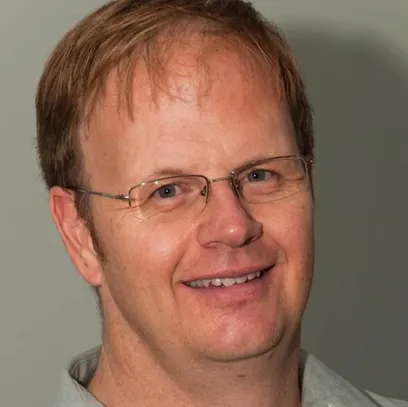
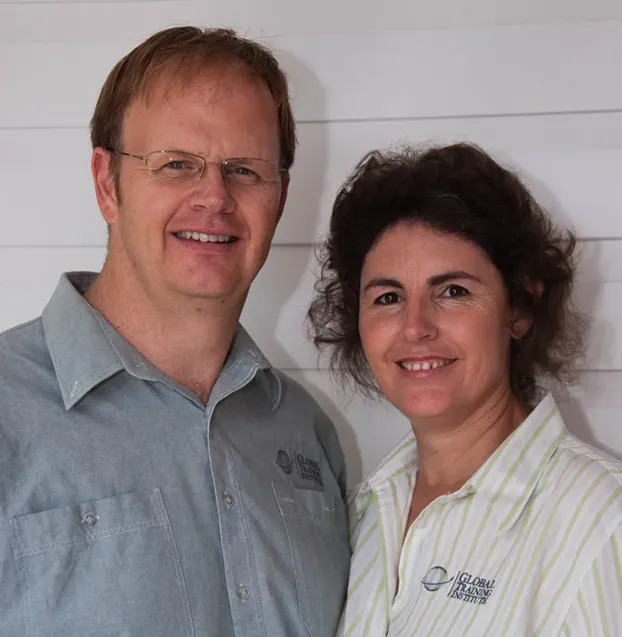
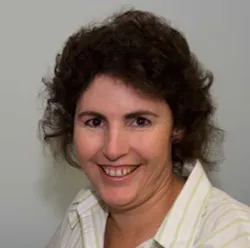
While still a young couple with small children, Shane and Anne had such business success that they were close to total financial freedom. That was not however the end of their business journey – far from it. They share their story of extraordinary determination. It includes the steps they took when 92% of their profits in a later business were wiped out, literally overnight, by something completely outside their control. Hear what happened and how they not only coped but applied their rules for business to build one of the most successful training organisations in Australia.
To listen to the Podcast click on one of the icons to use your favourite podcast app.




Episode Transcript
You are listening to the cactus project with your host, Mel McDonald.
I’m very excited to have Anne Shane botting as our guests today. They’re very successful business people. And if you met them now, you would have no idea of the adventure it’s been to get here. And just told me before we came in here that she deleted a lot of the difficult patches from her brain and was awake most of last night after she agreed to be interviewed.
So first can I say thank you to you both. I’m really grateful that you both agreed to do this. I think it’s gonna be so valuable for people to hear your backstory and I’m especially grateful that you’ve agreed to come on as a couple, because we know half the challenges of when a business goes to cactus are managing the relationship.
Thank you. Thanks Melanie. So welcome Anne and Shane, and thank you for being. So Shane, I know you’ve put quite a bit of thought into what you’d like to tell and Anne’s here to correct you as needed. Yep. . Before you tell your story, though, I’d like to ask, why did you agree to tell it now? I guess number one thing is we get to deal with a lot of different people in our current business that are going through some pretty tough times.
And one of the things that I found, um, when I went through our own business, when cactus essentially was that there was little, if anybody willing to just explain, Hey, this is what it’s like, this is what you can. And, um, consequently, uh, made more of it than what was necessary. That’s probably a good time.
I thought now, too, especially those people that having challenges with businesses, um, failing, because things outside their control, um, to be able to give them a little bit of a heads up what to expect, some of the kinds of thoughts you may be having, and just help you to go through this without feeling.
Nobody else knows what, what it’s like. Thank you so much. Both of you and Anne, why did you agree? Probably similar in our current role, I talk to business owners every single day who have got challenges at the moment, you know, with lockdowns happening all around the country. And they don’t feel like there’s any hope.
Cause you can’t talk to the employees about it. Who else do you share and talk with everyone at the moment? And we have been there and we’ve done it. We’ve come out the other side. It doesn’t mean that everything’s still totally rosy. We do lots of whiteboard sessions now. but yeah, you’ll hear our story throughout of it.
Hopefully somebody might just be able to put a bit of a smile and a bit of a glimmer fight backing. Thank you so much. Okay. Shane and Ann, where does the story. Probably a little bit of, um, a background before I get started. It’s probably good to know a couple of things before we get rolling on things.
First of all, Anne and I have been in business together and every SI single circumstance and every single business we have been involved in. Yes. We’ve been involved in many. So, um, you, so you did it more, the good parts open less of the fight is, but essentially yes, we we’ve done it more. That’s the first thing.
Secondly, uh, I, Christians, we believe that God’s send his son Jesus Christ to come to this earth so that we mend a relationship with him. That’s also will come into play as we, as we talk about the rest of our rest of our story. But I suppose, um, a little bit of background, I’m actually a civil engineer by trade and is a teacher early childhood teacher.
She never, she said she never really got outta preschool, which I guess in some instances is probably true, but, um, that’s essentially, um, a little bit of our background there. The first, I suppose, foray to business was the old Amway. I don’t have anybody remembers those who have been involved in that. And those who have been involved in the level multilevel marketing can probably have a bit of an idea.
What we talked about. We were fortunate enough to be involved. The positive side of this, the, um, what do you call it? Building of capacity? I guess it was a lot of self development type processes that we went through and that thing, which is good, cause it led us into their first, uh, full-time business, which is a childcare center.
Uh, we went in on Ann’s credentials and, um, we, we mortgaged everything. I mean, Anything and everything we own, we either sold or mortgage. And plus we got, um, money from, uh, Anne’s parents. So they were very, very kind to, um, let us have some of that there. They’re probably thinking about that’s about the only part of the inheritance we’re gonna get, but essentially that’s, um, very thankful for what.
Friends and family you’ve done for us over the time. And we went into that. Uh, we were both working incredibly long hours. We’re doing, I think Anne was working about 70. I was doing about 80 hours a week. We, uh, learnt, um, then from there a lot of things about business, which we never knew about until we went to that one.
And then we went to, um, some business develop. Processes or, or sessions, conferences, if you wish, where we learned more on how to develop that. And from that, we had essentially 12, 14 staff at that point in time. And we managed to, um, work our way out of the business, which was quite unheard of where Stu had young family, uh, one child who was born just before we, um, entered the business and another one born in or in the childcare center, which suited us quite nicely.
But, um, we went from there. I, I suppose. One thing I learned from that was, um, that I really enjoyed business from those business building conferences and, and sessions that we had. And I went and joined a franchise essentially, which was based around, um, the business growth, the idea of, uh, essentially learning about business from multiple areas of a different industries, where it all sort of started to come untuck as we went and, uh, purchased a business, which.
The one that essentially turned to cactus and that’s what we’re gonna be talking about now, as we go through things, I guess what we achieved when we worked with other business owners was, uh, nothing short, staggering in a lot of cases, we’d find in some instances where, when I worked with a building business, we worked with literally doubled their business overnight, and I can remember the guy going, oh, Oh, I’ve I’ve, I’ve gotta get new crew up and it was great.
It just worked absolute treat. And it was one of the key things that, um, was very, very helpful for him for the growth in his business, which was, um, which was fantastic to see. I guess one of the things was that, um, we continued to pray daily for one, our client and the business, but also our staff and the way that God had us lead those businesses.
So I’ll leave. Add any extra bits in now to what he is gonna saying. Just what I do need to bring up to speed is that, although we still look really young and, and vital now, this was when we were only 28 and 30. So basically we were retired early thirties, just on sort of thirties. So we gone into business, we’d put a lot of F and a lot of time showcase from our childcare center and we basically baby in arms and then had the other one while we were there.
But at 30 we were traveling. We had money. We did not need to be at work. Everything was being run under KPIs. We’d taken everything that we’d learn about business development and implemented into our business. We’d brought our team up on team building. So we were traveling around Australia and a bit of international travel with two little kids.
Um, we had dollars, we were retired. We weren’t needed at work, but at 30, um, as our story will unfold, we didn’t have the maturity or the business knowledge. So we were. Half taken advantage of a bit by some of the different things we were looking at other business investments, we were looking for other things to do because there wasn’t many other people out there playing in the field that we were playing at that stage.
So our story will show that. Yes. We’ve had lots. We’ve had a normal background with teaching and engineering kind of stuff, shame as mature age student at uni. Um, but then we’ve put into place and developed business. Shane will say what we’ve learned with about other people’s businesses. So we’ve had the lots, we’ve had the, the company, the business failures.
So we’ve had the little. And then we’ve, you know, it’ll be the process of rebuilding again. Great. So I’m really interested to hear you’re 30 years old. You’ve got plenty of money. You’re traveling. You’re retired. Your business is running itself. So you pretty much live happily ever after from then. No, definitely so, so I guess what, one thing we shifted from where we were in rock Hampton, we moved to, um, sunshine coast.
That’s a. Tough place to be in where we started establish the new, uh, coaching business, which we started. Funniest thing. When you, when you get a bit of money in, in your pocket, tends can tend to bit burn a bit of a hole and you think, well, why is it returning a 2% return? And why can’t we do better than that?
And, uh, I guess we’ve probably a little bit too much enthusiasm thinking that day we know what we’re doing. We, um, went and bought a, a business. It was a wholesale seafood operation. And, uh, essentially that was, um, where that’s the one that went to cactus, I guess. So essentially very day we bought it, we bought it over one of the, um, uh, customers solicited from the gold coast.
Be careful of some of them. you say that? Should I, sorry, they’re not name . I don’t, I don’t remember the names. I don’t remember these names, but essentially they purchased a product from us, which they agreed to a seven day payment on and they did not pay us. And, uh, I ended up having to sell a vehicle to try and cover some of the debt.
It was 30% of one month’s. You say so what they could manage that? Well, this is on a 10% profit margin, 10%. That’s everything. That’s all that costs everything’s taken out of the 10% of that turnover, uh, which is probably so that’s the first three months profit bond. Yes. First three months. Profit gone.
Period straight up. So that was interesting. Didn’t return. The product said it was a matter after a a month or so. He said, oh, this is terrible stuff. So return it. And, uh, he didn’t. So we knew he is lying to it straight up front. And, uh, consequently, um, we did finally get that back, but it was, um, just probably a heads up of what’s to come.
He wasn’t the first one to do that to us. Uh, and there was found, there was many, many more that that were doing that was very long on pain. If it paid at all, quite a few went under. Uh, I remember one of the, we actually had this under manager who was doing that while I was working with the business coaching.
Once again, achieving amazing results with a lot of other organizations, essentially we had some people would, you know, owe us 5,000, they’d say, well, it’s only 5,000. We’ll say, yeah, that’s, uh, another five months worth of work for us to recover that. So they didn’t understand how thin margins were and they didn’t really care.
And which was interesting. So that’s one of the, the learning lessons, I guess. So over time we, we found that the, the 10% profit margin was hard to drive up. We couldn’t, we struggle to get it to 11 or 12%, which had seemed a, not a lot, but that’s what it was like. Um, and consequently at the same time, anything that would go wrong would cost us money.
And take away from the profit and therefore found ourselves getting deeper into debt. I knew our overall financial position and I sort of understood the numbers enough to say that we got to a certain level. And then we had to basically work out what we had to do from there. So we ended up having to sell our private house to pay for the debt that was coming from there.
So that plus along at the same time, we’re looking to find a. Mechanism in the coaching business. So we brought on extra coaches, um, to help us to grow that. And, uh, that also took significant amount of money, our personal income to personal money, which we made after selling the childcare center to fund that as well.
So we’re bleeding from two places at the same time. Couldn’t quite put a hands on both of those deep cuts, if you wish well enough or hard enough to, to stop the. So it ended up that we, uh, had to sell our house to pay the debt down. Luckily we had just enough there to pay all the debt out, got out with our, basically our clothes on our back and a couple other bits and pieces.
I remember the day that we had to sign over the deed to our house, as we sold it basically cover all the debt that we owed everybody. We never went bankrupt. Thankfully for that, I remember that day and, uh, Anne was not in a good shape at that point time. I remember crying as we signed over the house. I thought when you said, oh, we had to sell our private house, you sort of said it quickly and then went past it just then, you know, you hear about people when their business goes bad and they lose their home and that’s a big deal.
You had young children. Yeah. And I know, and when we were talking about this before, you said you can’t even quite remember the sequence of events or the details, like you sort of wiped some of it. Yeah. I blocked it out, but I remember, um, the day that we shifted into this rental property, cuz Shane and.
Bought, you know, we’d done shares and everything. So as soon as we could, we, you know, in our early married life, we had done some really great shared trading deals with Commonwealth bank was really good for us and that we’d bought into our own property. So owning a property and our own house was something really.
Important to me, um, it was one of, kind of those financial securities. And so I’d never really rented. Yeah. So much as long term bit Wells teacher, but that’s going kind of accommodation and not really a long term rental people. So yeah, it was. And so I remember shifting into this rental property and I just got a really sore back.
I had to have friends help and I, and it probably was just, and I really don’t remember lifting anything or anything. So I think it was probably just the whole stress and everything of. Wow. Yeah. And so you managed to find a rental property then we did. We, we’re very, very fortunate. We had some great friends, friends who essentially just finished buying an investment house and, and they allowed us to.
Being, which is really good. I mean really, really kind people. It, it was just fabulous for, so we didn’t actually have to feel, I didn’t, I was very blessed that I didn’t have the rental every six months coming to check. They just let us have the thing at a really good price. Yeah. At a price that was market value.
And just kind of knew that we’d be still looking at after it as our own property. So what was it like during that time? What was life like? Okay. So I guess, number one, it’s interesting how, when you slow down, sometimes emotion can catch up with you. So, so for me, it was a bit, a bit different. I remember when we started to slow down the gravity of what happened, it just basically started to settle in and I started to question.
A lot about my understanding business. And, um, at that the degree of frustration, when you are working with a client, that’s just achieving incredible things in their business. And at the same instance, your business is going to cactus, uh, is the frustration is just incredible. It’s like being a. Master builder that can build somebody else’s house very, very well can hit every nail perfectly, have a beautiful finish off, but when you come home and try and nail one single nail in your own house, it’s like you, you cannot even focus on the nail list.
Like you completely missing as you’re taking swings. That carried on for me. When we, when you finally, uh, got rid of the business and I worked in it, get rid of, we just basically just shut the whole thing down. Mm-hmm , there’s a whole bunch Buckethead of emotions that went. Especially when you’re thinking can’t work out, what you’ve done wrong.
Had things like anger. There was grief. Um, there was, there was a why, why, why, why? Um, there was those kinds of questions that went along with that. I started questioning things like, you know, um, look, I, I can’t even look after my own family as a father. I mean, for Pete’s sake, that was just one of those things that were going through my mind at the time.
It’s just one of those kinds of thinking that, what, what is wrong here? What is wrong? And, um, it was an extremely difficult time for me. I remember during that time, I threw myself further into work instead of doing the, uh, we actually probably went down doing about, about a normal 60 hour week, I suppose, for most business owners.
But once we still had the, the business coaching going and I throw myself into that, I mean really pounding out the case, so to speak, we couldn’t afford for me to stay anywhere overnight. Cause it’s still trying to recover some of the. Make sure we paid you. What? He still had a bit left over enough. We knew I could sort of catch up on.
So I was, I I’d finished this drive from the sunshine coast. Don’t tell anybody, but I’d drive to sunshine coast to say Bundaberg, which is about a four hour trip. I’d be there at eight o’clock in the morning. I do a full day’s seminar on business growth, and then I’d drive the four hours back. So I’ll be pulling up about 10 o’clock at night and, uh, that’s substantial.
I’ll do that. I’ll do that then next day to the gold coast and been back. And then I’ll do that next day up to somewhere else and been back again. And it’s just. It, it started to take a toll off. I remember we used to go on a break, thankfully had bought some, uh, time share, which we’d buy really, really cheap holidays.
Essentially for us, it was like 600 bucks for a week or something like that. And I remember I used to go, then I used to sleep and that’s pretty much what I used to do. And, um, and Anne was really good. She’s a great mum. So she took care of the kids and knew that I was, you know, just really. Um, but we used to throw a lot of time and effort into that to try and catch up on what we had to get out of.
Because at that point in time, the coaching business also run under a, a manager to a degree, also had taken significant debt, which was, um, which is one of the other issues that we found as well. So it must have felt really strange to be running a coaching business and getting successful results of people.
And at the same time, you’re questioning your own ability. That must have been a really weird feeling. Yeah. It’s strange when you know it works cause it works so well for us in, in other business. Um, that it’s alternative mush, it’s alternative cactus, essentially. So having that, knowing it works every other business and in your own business, you can’t do so.
The degree of frustration was just immense. Absolutely immense towards the end. I guess I was probably getting to the point of being depressed. I never got it diagnosed, but I think , Anne might have a few of her inklings on this. And, um, I know I was a bit prickly at certain times of the, the thing too.
Probably a bit of a short fuse. That was, uh, just some of the stuff that, um, I suppose I was going through. What about Anne? Can we just ask before you go into the next, but, and what was going on for you at this time, Anne? Like, how are you feeling about everything one you try and protect the kids from what reality is as well.
And it comes down to managing budgets and everything extra as well. So how broke were you? How broke were we? I look
Yes. Luckily you can talk you’re luckily in laugh about it now, because I tell you back then you just cry and that’s all you can do. Do. Yeah, look, I can literally remember being at the shops and I had five bucks and I had to decide, was I buying milk or was I buying fruit and veg? Or what was I going to buy with my five bucks?
That was what I had in my hand that day. Okay. That’s pretty broke. That’s pretty broke. So yes, there might have been some in the bank account and things a little bit, but yeah, it was literally. Right. This is what I’ve got. What am I gonna buy? So we very much still lived on fresh fruit and VE all the way through our kids.
Yeah. The idea of that you go and spend money. I just still can’t believe people buy $5, 50 cups of coffee and go out for lunches all the time because yeah. And seeing young families out, cuz I certainly didn’t take my kids out cuz they were a little at the time. Um, we were very good picnic. And very simple meals at home and made chocolate slice in for lunch boxes and everything extra.
So it was all very, very simple things. Um, we didn’t learn awful lot of op shopping and my kids still love op shopping as a family activity. So we just used to make op shopping, really lots of fun. And so we would buy occasionally one for every season of this time. One new. For the whole, you know, season and everything extra was at the op shop.
But as a family, now we still ops shop everywhere around if we’re traveling around the world or anything it’s oh, op shop. Great. Yeah, we’re off. And so as our daughters have got married, now, their husbands had to learn that when they’re with us, we offs shop . So, um, just interesting that you mentioned that Melanie. I’ve still got it, but I’ve got the tax returns from one year. Okay. And you say our tax returns said that we earned each of us earned $15,000 for that whole year’s work and that’s doing those huge enormous hours. So we’re, we’re essentially a family renting, um, with. Um, kids was, there’s one thing that we said, I’m not sure if it’s people might say, oh, that’s probably not a good idea, but we, we decided we found a great school for our kids and we didn’t want to upset them.
So we, we paid a private school, essentially. It was just a lower tier one, but a very, very good school. And, um, we said to ourselves, we’re not gonna let them go from that. So whatever we could do to make it happen, we, um, made it happen so we can actually afford to have our children go to that one school.
And that I suppose was a bit of stability in that respect. Um, but 15 30,000 combined. It, it keeps in private school. It keeps in private school, private skill for an engineer and a teacher. it was pretty tight. I mean, you laughed now, but it wasn’t have been very much fun at all. Did you think you were gonna get out of it?
I remember having a conversation with someone in the business saying, look, I’m sorry. I’m just trying to find second end tires at the moment from my car so did we think it is ever gonna get it? Well, At that point in time, we could not see a way outta, we just knew we had to buckle down and keep doing what we’re doing.
Yeah. Cause we couldn’t see anything wrong. We couldn’t see where the challenges were. Um, and that’s, that’s the hard part. If you can see something, you got a chance to fix it. Yeah. There was some things that we really decided we weren’t going to do or leads up on as well. And that was our close network of.
And, um, and our, our faith. And so one of the things that we did do was this whole time was still kept our kids involved with other family, young families and kept our communication. Now a lot of our friends probably didn’t know, they didn’t know how bad it was, how bad it was. And I can remember. So we used to still host on Friday.
All of these families to come over sort of six families and we, and our kids would all go off to youth group and everything. But one of the things that was amazing is at the beginning of the night, I’d go, oh, can I really stand? You host all these people, how am I gonna afford to pay for supper and everything for them?
And so, but I would never say anything to anyone. And it was always amazing that at the end of the Friday night, um, there was more food in my house at the end of the night than what there was at the beginning. Wow. Yeah. And that. It just blew us away all the time with that, because we used to do a thing of, of barbecue and, and I’d say, look, bring your own meat and everyone bring a salad to share, and they would never take their food home.
And I bet they had no idea that they were feeding your food. wow. Yeah. So things like it was interesting. So you asked before, what was it like when you first did? I suppose I didn’t really finish it off. The depression part was actually lasted me for quite a while. I. Um, I remember having some, really some very, very dark thoughts.
Okay. So I was thinking, how could I get it so that, so that the Anna, the kids could collect on insurance, you know, well, you start planning, figuring out your life insurance. Yeah. Yeah. So this one thing you managed to keep was the life insurance and that’s one. A bit of a blessing, I guess, from listening to a guy, but, but how can I get them to claim on the life insurance if I committed suicide?
So, so the, the thing that didn’t really gel real good for a while. So I, I remember some very, very dark times at that point in time. How did it turn? What changed a guy by PJ Daniels? He’s, he’s written a number of books. I actually went to one of his seminars during this time. I don’t know how he’d afforded that we managed to get there.
Yeah. But. So I went to one of his seminars and he had question time and I asked him, what was he actually went broke, not once, but twice. Uh, he didn’t go bankrupt. Thankfully, like somebody paid everything out, but essentially he went bankrupt twice. And I said, what, what, what was it like when you were, when you were, um, Um, bankrupt.
What was your emotional response to that? And he said angry. I was so angry and I know he fell over backwards. I thought, what, so you weren’t feeling angry? Well, yes, there was a bit of anger, but there’s a lot more of the, of the, you know, am I worthy as a father where he’s a husband as, as a, you know, that, that kind of really deep questioning your very, uh, um, uh, identity.
Yeah. Does that make sense? You, you you’re now looking at yourself saying no, I’m no longer, I’m not a successful business. I’m I’m not that, I’m not that that’s what we had been. That’s who you were. Yeah. Who? Yes, before that. So when I heard that he was angry, I thought, oh, that’s interesting. And a little bit later in the piece was probably about another year down the track.
I also listen to somebody else that says you having a bad thought. Haven’t another. . Oh, okay. So, so that, that also made me to, to really think that through and, and, and, and work that through. So I, I guess from a, um, business confidence perspective, we, we took a bit more than a bruising on that one. It was a real cut to the who, who you were.
So that that’s what that, um, I found quite D. Uh, during that time. So then what happened during that time? We we’d shut down one business and we found the other business was quite difficult to work at the relationship as a partnership type of arrangement, even though they’re good friends, we just found that that just didn’t work.
The here’s a little bit of advice in the middle of all less one ship guaranteed to sink is a partnership and that’s exactly what happened. Um, so it, it happened in a couple of ways. First of all, one of the partners that we had was a good friend of ours. He ended up. So he was quite young. He left his family, left a young family there as well.
So that was a tough time too, because we’re supporting him medically and family emotionally and having to pull in the extra income into the business. So he couldn’t provide as well. So it was a, it was a tough, tough time for that. Um, and the other business partner yeah. Liked to spend money so we had more than one project going on.
One thing kind of trying to, trying to, it was, it is almost a grasping whatever we can to make it work. You know what I mean? It was just huge hours. We try this, try that, try something else. It was just this, I can just see it on TV. Somebody’s about to fall in a deep pit down to about here. And they grasping the sides of a, the deep pit trying to stop themselves and falling in.
But guess what? it didn’t doesn’t work. And it’s interesting, isn’t it? That you are sort of in the head space that you just end up grabbing every project that you can see to try and get you out and you just end up with more problems. Yeah, that’s it, it can often be that way. Um, so, so you did get out though.
Yeah, we, we did get out eventually. , um, So we, as I said, we threw a lot, a lot into it. Um, we took what one of the projects we managed to find was a, essentially a, uh, uh, we worked with corporate governance within some indigenous groups, which, which, which in itself was a, a real blessing. Okay. Um, and the fact that we got to see other people, and, and as we saw other people, we realized, Hey, maybe we, we are not as bad off as what we think we.
So it’s, it’s a matter of time that your thinking starts to change again. Um, so that those long hours, we, we ended up taking our kids outta school for three months and we basically traveled, um, up into the north part of Queensland and met some incredible people, some lovely, lovely people and people from stolen generation and their thinking was com completely different to mine.
Yeah, and they didn’t go through all you went through. There was things that I still never wanted to give up on. So one of the things I’d always wanted to do was travel, take my kids outta school and travel. So we traveled with them when they were really young, while we were basically retired before they went to school.
Um, and did lots of, you know, took them to the snow and, you know, got all those cute photos and everything. There was so much I wanted to do then. And I really want to travel with the kids while they were at school. And, but we didn’t have dollars and I’m looking at, you know, how can we still do. And take them out.
And so it was, it was well over sort of three months that we managed to do this project and travel. So it’s like a working trip. Yeah. We just made it a working trip and yeah, such amazing time of, you know, one of the daughters really wasn’t a reader when she left, didn’t enjoy reading, but by the time we got back.
She was a great reader. Yeah. And yeah, it’s really paid off. And there is that you hear people say often that if you’re really struggling with your own mental health, that one of the really useful things that you can do is go and help other people yeah. Or see where other people live with, how other people can live.
So I guess. We, we lived very, very simply very, very cheaply and where we could, we got really, really cheap accommodation lived in a tent during that time. interesting. Luckily, the people who we were working with didn’t see how we were living but anyways, but it was great. It was good, but motels occasionally, but, um, that was, was tremendous to help us with.
Um, what we are doing and, uh, cause of that, um, that managed to get we, we pretty well paid. Don’t get me, don’t get me wrong. We weren’t overpaid by any shape, form manner, but pretty well paid. And we managed to save enough that it managed to get. Basically back on square a bit, I shouldn’t say on square, but having that feeling, Hey, we’ve finally got something behind us other than, other than the social security.
And that’s what was basically the, the process there. So then what happened because obviously there’s a long journey from there. Okay. Yeah. yeah. I, I suppose in the middle of. The completion. Part of my coaching role is we had a, a requirement to, we started working in a little bit of government funding with farmers, essentially helping them to, to think about off-farm income or how to add value, add what they had so on and so forth.
And, um, one of the, the things that were required to do to continue to access that kind of money, which wasn’t, which is okay, what wasn’t brilliant was to be involved in a, in a new business and reg training organization. We figured how, how tough could that be after we worked out. Sometimes it’s really amazing the decisions you make in ignorance with.
And that, that was one of them. But, um, we decided it turned out to be a reasonable one, had a be reasonable one. So, um, that, that was, um, that was one we started with that funding invention dried up, but we ended up getting left with an RTO. Um, and its basically start again. With that. So how long ago was that?
16, 15, 16 years ago. 16 years ago. Okay. So that’s a while and it’s been pretty much a straight line up ever since. Definitely not, not , um, business. I think the industry we’re in. Is incredible. Um, if, if I was to equate it to a sport, I’d call it a rodeo. It’s like riding a Bronco, you know? Yep. And down and up and down, they get kicked off.
You know, it’s that kind of thing. Piano, a accord years would probably be the instrument, a musical instrument, you know, expand, expand, expand contract, contract, contract, track, span, span, span, contract, and track contract span bench. It’s like this. But I, I, I guess one of the things that allowed us to be able to handle it is, is one our previous experience and what it’s like, having a business go to cactus, um, which took us out.
Um, financially I speaking, I guess, and, um, to a degree mentally, um, with it gives us, it gave us a degree of persistence that we probably didn’t have there prior to that. Okay. And I’ll talk a bit more about that a bit later, but, but it’s that kind. Thing that allowed us to handle this type of thing. Uh, plus that plus a set of new rules that we put into business.
Shane Nan’s rules to running business , which we have, um, gleaned over many years. So those, those of things. So it has not been a good, right. In fact, um, I remember one particular time we had reduced our income in this current business. 15 years had our income reduced for us by conditions outside our control one 92%.
And I don’t know if anybody can really explain how they can survive that, but we did once again, we had great. Who I, I remember, I remember I was shaking and asked him if I can borrow some money for me, just to, just to tie this over for a certain amount of time. And that was, that was critical to us continuing as a business, but then it’s been onwards and upwards a little bit, I guess, in some ways, one of the things that we found, sometimes we can get caught up in our own thinking and their own thinking can be swayed by what we think we see around us.
And to a very large degree, I’d like to thank, um, Melanie’s on presenting today. Um, who’s become a very dear friend of ours and. She helped us from both quitting at the same time. you both be in business, but the idea is that you’re both not supposed to, so quit, quit on the same day. So, um, so that, that extra person that can see something other than what you can see is gonna be absolute paramount when you’re in the goo deep.
Cause all you can see is goo, you know, um, and, and somebody’s up there saying, ha just have a look over here or, or just see what you’ve done so far. So we so incredibly thankful for what Melanie’s done for us in that respect. And, um, when we have our, our husband and wife discussions. Um, as you can imagine in business, we, we get the now, now children from from, so that has been incredibly valuable to what’s happened over the last few years.
I’d just like to chip into that. There’s a number of people that I’m interviewing for this series whose marriages have not survived success, then crash and burn, then becoming successful. Again, you guys have done a great job, and I don’t know if you’ve got that on your list of things to cover, but it would be good if you could give people some thoughts on how you’ve achieved that perhaps.
One of the, well, lots, many things, but one of the things that we do do is go and find a mountain. That’s close to us. We go onto the top of the hill and you kind of look down and if you can’t even find your business down there, the house or your house, it just puts it back into perspective. So usually on a Sunday afternoon, you’ll find us cuz we live on sunshine coast up at Montville when we’re in we’re up at man Archer looking back down to go, oh yeah, there it is here.
So cuz once you are in the business, it can just be totally. All consuming on your mind and the issues and different things, whether it be HR and staffing and what you’re gonna do about everything. Um, but to go back up and get some fresh air and have literal perspective, literal perspective. Yeah. Guess one of the things was commitment to each other.
When we, when we got married, the simple fact is what we said was what we said. I don’t like going back on my word. My, my, my word was we’ll marry you through, what’s it? What does it. Um, good times, bad, good and bad, uh, sickness and health and, uh, something about wealth and no wealth. Well, I think that’s, that’s the good and bad times.
And I think that, um, determination that it’s beyond just a one-off set of words, it really is a deep commitment to each other. I think makes a difference. For where we’re at. Okay. Um, plus the fact that we, we, we probably couldn’t couldn’t afford
here’s your half of that car. We’re $3,000 total. So, so yeah, I remember that. Um, so that’s, to me, that’s, that’s my words are my word and that’s just way it is. If I say, I’m gonna pay you back, I’ll pay you back simple as that. And, and people don’t value that word anymore, which is a. What else would you like to share?
I’m conscious that we are using quite a bit of your time, but what else would you like to share with people? Okay, so probably number one thing is this, I might, um, finish maybe three questions. You’re probably thinking of that might be the kinds of questions that you like to hear about. I suppose the first one I have in my mind is, okay.
Three things you learn from the process, having your business go to cactus. Well, I guess there’s three things for me and I’ll let end put a three into these number. Uh, never have a business partner. Number one, we haven’t told you about some other businesses on the side that we, that also had business partners in that also went to cactus.
But anyway, that’s, um, that’s the main, this is the main one that sort of took us out, I suppose, overall little compounded on top of each other. Never go into partnership, only ship guaranteed. Distincts partnership. That’s one thing we don’t do. Uh, number two, I guess, is be careful not to act on emotion.
That’s an interesting one. Please explain. I believe in some ways our own emotions will betray. Okay. And that’s an interesting word, that word betrayal, but essentially that’s what it’s like. Um, if I acted on those very dark thoughts I had you wouldn’t be I, Anne would be wealthy and I wouldn’t be here.
but so at the moment I’ve got both, so it’s okay. Yeah. Now you’ve got money and SHA, now we’ve got money. What’s the money. Um, anyway, so be careful do not act on your emotions, be careful what your emotions are telling you. I think in today’s society, people are too quick to act on your emotions and it gets in into a whole heap of problems, whole heap of trouble.
And, um, so just, just be aware of that. So that’s the second one, I suppose, the third. um, I learned through the process. Oh, probably I’ll add one extra one to it actually, before you do that, Shane, if you’re not gonna act on your emotions, what do you act on ? Well, think about it this way. If you are in the middle of something and all you can see is goo, what do you do?
Do you, you say, do, do you say yourself, look, if I, I act emotionally, my, my thoughts are scramble hard, work hard, do that sort of stuff sometimes, or it might be grab whatever we can and, and that’s, that’s the dangerous part about it. So sometimes I think if you have a really good friend, someone that you can rely on to give you reality checks.
That’s great. And that’s where we were lucky. In some ways, when I was down, Anne was giving me the reality checks. When Nam was down, I was giving her the reality checks and then Melanie came along and gave us both the reality checks, all one , but essentially that’s what’s needed. You do do not act on that emotion.
Just you got time. You can remember, you have time. Just keep remembering that. I’ve got time. You don’t have to act immediately. Some people will sell you. Liquidators are the worst, I suppose, in some ways I shouldn’t say that, but in some ways, but they, they put the pressure on for you to, to make fast decisions quickly and make sometimes poor decisions.
Not good for them. Maybe not so good for you. So people who are listening to this, um, who are in the go right now, I imagine. And we’ve all been there. You have that sense of urgency. Like you’ve gotta do something right this minute to fix this. What would be your advice to them? Good question. Get somebody close to who you can rely on, who can see things that you can’t see and let them speak okay.
Yes. Vent to them. Sure. They they’ll they’ll they’ll get that, but once that’s. Let them speak. Let them listen to what they say and be careful to act. Do not act in haste. Do not do not rush into decision. Um, that’s probably the number one thing I’d say. Okay, great. And did you have a third thing that you learned listen to other people and what they’ve gone through?
This is what this whole thing’s about. And, uh, essentially that you had the chance to listen to somebody else who’s gone through the goo that you’re going through at the moment. So listen to what other people have gotta say and realize that there is lights to the tunnel and know that not all freight trains, um, that there is light at the end of the day.
You can’t see it. Now I get that I’m there I’ve been there. Everything where I looked it was just go, okay. So. But it will not last Peter J. Daniels. One of the guys I mentioned before had broke twice. He learned to me the fact that many other people have been in front of you. So just realizing that’s the case.
That’s good advice. So if you were going through it again, what would you do? Probably if I was to do it, I’ll do the, if I was to do it again now, because. Look, literally we are business owners, we’ve got 40 staff, you know, having to work remotely and everything extra. We are right. And smack there. What we have at the moment is a very flexible whiteboard and we have drawn on this whiteboard so much over this last 12 at eight year, since COVID hit last year in March, we drew up our plan.
We have a big. Sign on my whiteboard that says that you plan for the best prepare for the worst and yeah. And pray for wisdom. Um, that’s served you quite well, hasn’t it? It really has. And we it’s a lot of prayer. , it’s a lot of prayer, but it’s that planning. And then looking at, we know what is the optimism, what could happen?
One of the things I so on their flexibility of our whiteboard, and if I was to do it all again, I would number one, protect us and not be so much concerned about the employee. Interesting. I would be prepared. You know, we’ve always looked at how much cash flow we’ve got now, you know, at the beginning of last year, everyone would say, you’ve got a successful business.
If you’ve got three months of cash flow, you know, stored up in front. And unfortunately over the last 12 months, most people have had needed that’s correct needed more than three months. So I’d be really looking at at that, you know, having that cash flow there. But I would definitely look at protect yourself rather than your.
So keep money in the bank rather than spend. So we just have not been spending over the last 12 months and things, but to know that, um, and then still getting that business education. So we’ve still done a lot of reading and different things over the time on our mindset and everything extra, but lots of.
If this is, if this scenario happens, then we are prepared and we’ve got this. If this scenario comes off, then this is what’s gonna happen. Cause we had no idea at the beginning of last year, whether we were going to get a student, lots of students or what would happen in our health scenario. And it really has been up and down and everything extra.
So we still go through it. But yeah, we know that we have in chains of court playing piano, accordion, we’ve always looked at who are the key people, you know, three or four or five people that we. and we’ve expanded. We had to shrink it if we had to shrink and gain. And we should say that your business over the last couple of years, you have been really fortunate and blessed that it has done really well.
Hasn’t it? But that has not been an accident. Oh no, no. And we have still done lots of hours of work and lots of planning and lots of flexibility and moving. Yeah. With lots of leadership there. I suppose the thing is we don’t have little kids anymore. We don’t have teenagers anymore. We got married, older children.
Makes you feel really old but, but, but essentially we don’t have anything else except for this business, I guess. And occasionally times on Sunday. So essentially it’s, it’s our hobby. It’s our, it’s our financial thing. It’s, it’s it’s everything. So, um, that’s the reason why I put the effort in, but yeah, purely because also our business makes a huge difference to the people that we work with.
So we do it because we’re investing in lives of, of all of our students are trained. So it’s not just about the money. Oh no. So no. So it’s far for you and, and Shane will know that I have basically, you know, very little he’ll watches the cash come in and I kind of go, as long as I know, there’s some there, my focus is on the clients and think people that we work with, what are you doing differently these days compared to the first time around.
We never do anything now that we can’t take control back of. So in our training company, unless we can actually come back in and do the training for it, we don’t tend to go and do so. Um, I’m not a beauty therapist, so we don’t train beauty therapy. Um, um, for example, so. Shane is one of the big things he does do is he controls the finances in the company.
He watches what’s coming in, what’s going out. And so when you say that, you mean you haven’t delegated that to someone? We don’t have a bookkeeper. I was I’m the bookkeeper. I’m also the people, the person that pays all the bills. I hand out the credit card when it’s, when it’s, when it needs to be handed out.
So I’ve got very, very tight control over the finances. Yeah. That has definitely been something, um, The younger ones of us when we had money were taken advantage of by lots of other people, for business investments and everything extra, um, where we are very much more targeted now as to what we do. And we are much more in control.
Did the bad experiences you had investing where you’d lost money in a few different investments? I understand. Has that stopped you from investing? Have you been burned by that? And so you don’t invest anymore? Um, no, we don’t. We don’t stop investing, but the investments we make and is not controlled by other people’s control by me.
Yeah. Right. Or my ability to get in and out of the investment is controlled by me. So probably my answer. You finish that. Yeah. Okay. So my answer, I guess, to the question number, I suppose the interesting part, I just wanna, before I start talking about this, I suppose the interesting part about this is. The whole process has made us more aware, more aware of a few things, more aware of our, what?
The importance of family. Good friends. Yeah. Um, it’s made us stronger in business. You might go well yeah. What doesn’t make us stronger kills you other way around I think. Yeah. One of those um, so, so we’ve become more. How can I say more resilient? To what the ups and downs can be. So when we took a 92% dive in business, that was, that was not fun times don’t get me wrong.
But, and this is not the one that went to CAGS. No, this isn’t the current one, right? This is the current one that you then recovered from. So the, the one that went to C just gone, but this one here, 92% dive in business. So it allowed us to go, not go into those dark places. And those. Bad thoughts again, because I realized not to go there again.
So okays it didn’t stop me being really angry. I sat and watched the parliament voting on something and even the ministers were not even in the room for voting. I was so, so, so, and they voted to change the policy, which was, didn’t just gonna, which had enormous effect on impact on our business. And I, and I it’s just under the emotions.
So don’t expect the emotions go. Cause I’m still really, really, really mad. . So I’ve got two questions for you right now. One is your current successful business dropped by 92%. I wanna know two things. Is it up again now? And how much is it up by and how did you cope with it? Drop apart from yelling at the television?
I was so mad. He was angry. We’ve seen it before we’ve been through it before, but, um, yes, it is up from. How much is it up upfront? Well, how many times? Percentages zero. I mean, , I dunno how to, how to respond to that one. I, I will let you know, we had 32 students that year. Okay. So you think, well, yeah, but that’s equal to one classroom in a pre add primary school.
um, now we’re, we’re around about the thousand student mark. Okay. So that you can work out the, whatever it is gained there. So what were you before the 92% drop? Um, we’re about the 2 5300 mark. Okay. So you’re about 300 students. You went down to 32 and you are up to 1000. That’s pretty good. So Anne yelled at the television.
What did you. I was trying to calm Em’s farm and get, and get back onto whiteboards and start thinking about how we’re gonna strategy very, very quickly. We’ve spent many, many late nights here with whiteboards. You may have heard the same as, you know, when the students ready, the teacher arrives and Melanie’s their teacher.
So , don’t blame me for this. not for the down path for the up part. Yeah. So, um, so that was good. We knew we could get there. We just had other things were associated with those decisions of parliament that had a flow on effect for the next eight, nine. Yeah, which is really annoying, but there it goes. So is there anything else you’d like to say before we wrap out?
Okay. Yeah. So, so probably some of the things I I’m now working on to answer my side, I guess four things, I’ll give you a little bit of an extra one. If you don’t mind, number ones have rules around business. We put some new rules in play, then mention one of them. You know, if one of us can’t fill that role, we won’t do that.
You might say, well, that’s pretty hard. Yes, but so’s been in business and going out the back door. So you wouldn’t buy a restaurant, then you’re not a chef. No. Yeah, no. So we wouldn’t buy restaurants. We wouldn’t buy stuff that we don’t know much about. Wouldn’t do anything. We wouldn’t that’s number one, I suppose.
Number two, realizing there is an end to everything. That’s tough too. There’s an end to the downside, but guess what? There’s an end to the. upside. Okay. So just realize that that’s the case. Nothing stays the way it is forever. That’s number two. What goes up must come down in, in some ways. So having the, where Foral and the emotional intelligence, the perseverance persistence to keep it going is traumatic.
The next thing, uh, I wanna talk a little more about this one. It sounds stupid, but it says I would like to have a bit more of. Pessimistic view on business. And I like to probably it comes from essentially what a book called good to great by Jim Collins. By the way, if you haven’t got those books, you’re still in business.
Or if you want to get back into business, you have to read those, not just read them, but understand, probably can pass a test on ’em anyway, in fact, I’ll make that challenge for any politician anybody’s listening, but anyways, um, but essentially have a pessimistic view on business. What I’m gonna call, I’m gonna call a little bit.
Have a optimistic, realistic view to it. What’d I call you one point in time. Yeah. Or something like that. I remember. Is it realistic optimist or something? Yeah. A realistic optimistic realist, right? Something like that. But essentially do not start lying to yourself. Things that saying that, Hey, this can be better than what I can ever be.
That is an outright lie, you know, don’t lie to yourself. Yeah, just think, yes, we can achieve better things. And, uh, where we go and read those, those books. I mentioned good to great by Jim Collins is my, for one. Good to grab Jim Collins build to last. Good to great, great by choice and, um, how the mighty fall and they, by the way that last one’s a beauty.
Okay. and know the points. Understand at what points these things happen. If the minute you get, um, uh, a bit cocky about how good you think you are. I guarantee business will take you out. Um, so just be aware of that business is good at helping you find your weaknesses, the faults, all the faults you got, it’ll find it for you.
And that’s why I like about the partnership ends really good in what she does. And I can probably never do some of the stuff that she does. And so I’m good at certain parts as well. And we work well together in that respect. So that is amazing. What a story. And I think it’s important for people to know that you do have a successful business now, but you have a successful business, not by accident, but because probably if you didn’t have the unsuccessful one, this one would’ve died when you dropped by nine to 2%.
So well done guys, and thank you so much for sharing. Is there anything Anne that you wanna say before we wrap up, I’ve probably learned to have to learn to be content in situations. Sorry. So we’ve had. We’ve had little we’re back to having yeah. Some sort of many things. And so I used to be a girl guide leader and I specifically chose my name big Mudgy and it was meant to learn to be content.
Yeah. Contentment is one of those things that it’s a don’t don’t misunderstand that word. It doesn’t mean you can’t exceed it doesn’t mean you can’t Excel. But what it does mean is be happy with what you have look to grow. Don’t get me wrong in any shape, form or matter, but that’s what the word means. Be content with what you have, but in the same instance, look for the next growth next process.
Yes. I guess that, that word contentment a lot stronger and a lot more powerful than what you think it is. So we too from here. Okay, well, we’re still into business. We’re still business opportunities. Shane loves business. He’s not going to do anything extra every time I threaten to say, go, go, Hey, listen though, we need some more engineers out there.
Business is his passion. Um, he is going to be here. Definitely. I’m gonna be in business for a while. I guess the thing is this, um, I said to a, a friend, once I said, look, if I’m gonna build a business again, it’s not gonna be for money. So one of the things that we’ve learned to do is we, we are, we’re trying to build relationship more with our students more with our clients.
And that means more to me than the piece of paper that they get at the end of the day, even though that’s good, don’t get me wrong. That’s one of the reasons that I. But that building a relationship showing that we really do care for them is probably part of the business, which I’m here for. That’s the passion part that drives me.
I ran into a solicitor at a particular function where listened to a billionaire, which is really cool. And this particular solicitor talked about what she did to help with her customers who go through the worst, the worst, and they get the worst of the worst of the worst cases. What she did was blew me away and, and I.
Why can’t we do that. And that’s the kind of thing I’m here for now. It’s not the, the money. That’s the contentment side of things. The money. Yes, we’re doing okay. I mean, I wouldn’t say we we’re extravagant, extravagant and anything. We mind you, we just finished buying a Thermo mix, but , but, but, um, but that’s about it when it comes to it.
We’re not extravagant in that respect, but to me, it’s, it’s what can we do with the things that God’s given us and the talents we’ve. The ability to create money and to my way of thinking, handing off to the people that can make a big difference to our society and to other other countries yeah. Is pretty important to me in this whole business building process.
Awesome. I think that’s an excellent place to wrap up. That is so important. What you just said. Thank you so much, both of you, and thank you for having the courage to share your. Story. You survived again. Yes. I had a couple of, couple of tears. No, but thank you for sharing those. And yeah, I know there are a couple of tears in the middle there, but this is really awesome.
And I think it’s gonna help people to hear your story. So thank you very, very much.
Thanks ma this episode of the cactus project is sponsored by global training in. Institute Australia’s leading online training college. It was presented and written by Mel McDonald produced, edited, and visually designed by Maggie.
Has we hope you found this interview interesting for more inspiring stories from people whose businesses went wrong and how they recovered all went to cactus. As we saying Australia, please subscribe to the cactus project on your favorite podcast app and visit. You can also join our Facebook group, the cactus project discussion to join in the conversation.
